 | And Pollution
Quotes
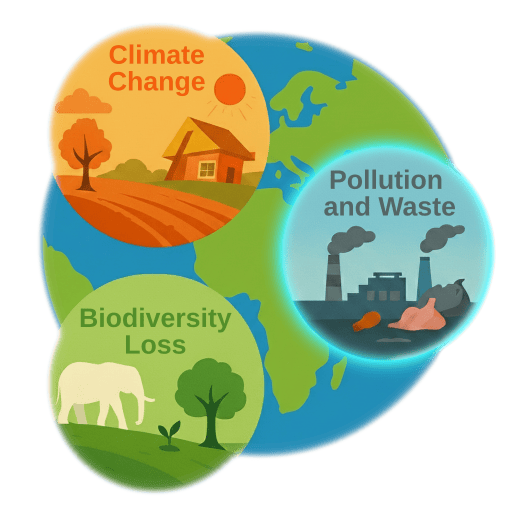
Read, cite, and share quotes from major reports regarding pollution and waste.









In 2021, air pollution contributed to 8.1 million deaths — more than 1 in 8 deaths worldwide.
Air pollution was the second leading risk factor for death among children under 5 in 2021, after malnutrition.
99% of the world’s population lives in places with unhealthy levels of PM 2.5 pollution. 34% lives in areas that exceed even the least stringent WHO interim air quality targets.
Countries in Asia, Africa, and the Middle East continue to experience the highest levels of ambient PM2.5.
High-income countries see some of the highest levels of NO2, a pollutant that is most common in cities.
Heat waves can worsen ozone pollution, threatening human health and crop yields.
Exposure to air pollution is linked to 1 in 8 deaths worldwide.
Air pollution– linked asthma has the highest health impacts on children between 5–14 years of age, especially in high-income countries.
Air pollution poses an enormous — and growing — public health challenge It is now the second leading risk factor for early death worldwide, surpassed only by high blood pressure Air pollution also outranks tobacco as a leading cause of death and disability.
Much of the air pollution that afflicts us today comes from sources that we understand well From long experience, we know what drives these sources of pollution, and in most cases, we understand what it would take to curb them.
Increasingly, rising temperatures are worsening air pollution and its health effects, underscoring the urgent need for integrated action to simultaneously improve air quality and reduce greenhouse gas emissions.
Just in the last year, wildfires, extreme heatwaves, and more frequent and severe dust storms have proven to be devastating to air quality in regions around the globe.
Even with improvements in air quality, the burden of disease attributable to air pollution continues to rise as populations grow, age, and become more susceptible to the noncommunicable diseases most closely related to air pollution.
Facing these trends effectively requires not only making substantial gains in air quality but also reducing disparities in health in the least developed countries that often carry the largest burdens.
Citation
Health Effects Institute. 2024. State of Global Air 2024. Special Report. Boston, MA:Health Effects Institute.
Nitrous oxide, considered to be a super pollutant, is the third most important greenhouse gas and the most significant ozone-layer depleting substance emitted today.
Its human-induced emissions, which primarily originate from the agricultural use of synthetic fertilisers and manure, are increasing faster than previously projected.
Nitrous oxide is part of the nitrogen cycle – nitrogen is essential to all life on Earth and the global food system. The abatement of its anthropogenic emissions must be grounded in a sustainable nitrogen management approach which would also reduce the loss of other nitrogen compounds to the environment.
If nitrous oxide emissions continue to increase at their current rate, there is no plausible pathway to limiting global warming to 1.5° Celsius in the context of sustainable development, as defined in the Paris Agreement.
Even keeping current nitrous oxide emissions constant would constrain society’s capacity to limit global warming to 1.5° Celsius and require much greater and costlier reductions of carbon dioxide and methane emissions.
These anthropogenic emissions have increased globally by 40 per cent since 1980, with approximately 75 per cent originating from the agricultural use of synthetic fertilisers and manure.
This Assessment projects that, without abatement, global anthropogenic nitrous oxide emissions will increase by approximately 30 per cent over 2020 levels by 2050.
Anthropogenic nitrous oxide emissions have grown steadily since the pre-industrial era and have accelerated since the Green Revolution. Between 1980 and 2022, atmospheric concentrations increased from 301 to 336 parts per billion. Agriculture is currently the source of 75 per cent of those emissions, of which approximately 90 per cent comes from the use of synthetic fertilisers and manure on agricultural soils and 10 per cent from manure management.
Industrial sources account for approximately 5 per cent of current anthropogenic nitrous oxide emissions. The dominant sources are the production of adipic acid, primarily used in synthetic fibres and foam, and nitric acid, mainly used in the manufacture of fertilisers, munitions and adipic acid.
The remaining 20 per cent of anthropogenic nitrous oxide emissions come from fossil fuel combustion, wastewater treatment, aquaculture, biomass burning, and other sources.
There is an array of available technological, behavioural and structural measures that if implemented could reduce nitrous oxide emissions from agriculture and the broader food system by about 40 per cent below current levels emissions by 2050.
These measures have been developed by farmers, the fertiliser industry and research institutions and are increasingly being implemented across the agri-food system. These include controlled-release fertilisers or formulations that inhibit nitrogen losses, the more selective use of fertilisers aided by soil-nitrogen testing, improved manure management, and behavioural changes such as lowering the consumption of animal protein in some populations
There are a number of regulatory, economic, social and cultural barriers to abating agricultural nitrous oxide emissions that need to be addressed to ensure lasting farmer adoption of abatement practices and technologies, and enable more transformative societal changes.
Agricultural nitrous oxide emissions vary enormously around the world as a result of large differences in synthetic fertiliser and manure use. Some regions do not use enough fertiliser, legumes or other nitrogen fixing crops, or manure to guarantee food security, while regions with high application rates, above crop needs, offer the greatest potential for total nitrous oxide abatement.
Opportunities to reduce other sources of nitrous oxide emissions include improving wastewater treatment, while also reducing biomass burning and fossil fuel combustion.
There is a considerable risk that increasing the use of ammonia as a fuel for marine shipping and biofuels derived from fertilised crops could produce significant nitrous oxide emissions, partially or completely offsetting their intended climate benefits. For example, recent studies suggest that nitrous oxide emissions from the use of ammonia as a shipping fuel could, if not managed properly, exceed agricultural nitrous oxide emissions.
The trade-offs between carbon dioxide, methane and nitrous oxide abatement in all sectors need to be better understood so that technologies can be improved and policies developed to manage the risks.
Citation
United Nations Environment Programme and Food and Agriculture Organization of the United Nations. 2024. Global Nitrous Oxide Assessment. Nairobi. https://doi.org/10.59117/20.500.11822/46562
The Lancet Commission on pollution and health reported that pollution was responsible for 9 million premature deaths in 2015, making it the world’s largest environmental risk factor for disease and premature death. We have now updated this estimate using data from the Global Burden of Diseases, Injuries, and Risk Factors Study 2019. We find that pollution remains responsible for approximately 9 million deaths per year, corresponding to one in six deaths worldwide.
Deaths from these modern pollution risk factors, which are the unintended consequence of industrialisation and urbanisation, have risen by 7% since 2015 and by over 66% since 2000.
Despite ongoing efforts by UN agencies, committed groups, committed individuals, and some national governments (mostly in high-income countries), little real progress against pollution can be identified overall, particularly in the low-income and middle-income countries, where pollution is most severe.
Urgent attention is needed to control pollution and prevent pollution-related disease, with an emphasis on air pollution and lead poisoning, and a stronger focus on hazardous chemical pollution.
Pollution has typically been viewed as a local issue to be addressed through subnational and national regulation or, occasionally, using regional policy in higher-income countries. Now, however, it is increasingly clear that pollution is a planetary threat, and that its drivers, its dispersion, and its effects on health transcend local boundaries and demand a global response.
Global action on all major modern pollutants is needed. Global efforts can synergise with other global environmental policy programmes, especially as a large-scale, rapid transition away from all fossil fuels to clean, renewable energy is an effective strategy for preventing pollution while also slowing down climate change, and thus achieves a double benefit for planetary health.
Pollution includes contamination of air by fine particulate matter (PM2∙5); ozone; oxides of sulphur and nitrogen; freshwater pollution; contamination of the ocean by mercury, nitrogen, phosphorus, plastic, and petroleum waste; and poisoning of the land by lead, mercury, pesticides, industrial chemicals, electronic waste, and radioactive waste.
The 2017 Lancet Commission on pollution and health, which used data from the Global Burden of Diseases, Injuries, and Risk Factors Study (GBD) 2015, found that pollution was responsible for an estimated 9 million deaths (16% of all deaths globally) and for economic losses totalling US$ 4∙6 trillion (6∙2% of global economic output) in 2015.1 The Commission noted pollution’s deep inequity: 92% of pollution related deaths, and the greatest burden of pollution’s economic losses, occur in low income and middle income countries (LMICs).
These data show that the situation has not improved, and that pollution remains a major global threat to health and prosperity, particularly in LMICs.
Since 2000, the steady decline in the number of deaths from the ancient scourges of household air pollution, unsafe drinking water, and inadequate sanitation are offset by increasing deaths attributable to the more modern forms of pollution. These modern forms of pollution—eg, ambient air pollution, lead pollution, and chemical pollution—require major increases in mitigation and prevention.
In 2019, pollution was responsible for approximately 9∙0 million premature deaths. Air pollution (both household and ambient air pollution) remains responsible for the greatest number of deaths, causing 6∙7 million deaths in 2019. Water pollution was responsible for 1∙4 million premature deaths. Lead was responsible 900 000 premature deaths. Toxic occupational hazards, excluding workplace fatalities due to safety hazards, were responsible for 870 000 deaths (table). The total effects of pollution on health would undoubtedly be larger if more comprehensive health data could be generated, especially if all pathways for chemicals in the environment were identified and analysed.
The GBD 2019 data show that the effect of pollution on disease and disability varies by sex. Men are more likely to die from exposure to ambient air pollution, lead pollution, and occupational pollutants than women. Women and children are more likely to die from exposure to water pollution than men.
Deaths from the modern forms of pollution (ie, ambient particulate matter air pollution, ambient ozone pollution, lead exposure, occupational carcinogens, occupational particulate matter, gases, fumes, and environmental chemical pollution) have increased substantially over the past 20 years on a global scale. Ambient air pollution was responsible for 4∙5 million deaths in 2019. This proportion is an increase from 2015, when ambient air pollution was responsible for 4∙2 million deaths, and 2000, when it was responsible for 2∙9 million deaths.
Air pollution is entwined with climate change because the emissions driving both development problems come largely from the same sources (eg, fossil fuel or biofuel burning). Burning fuels results in fine and ultrafine particulates (eg, PM2·5 and others), long lived greenhouse gases, and short lived climate pollutants (SLCPs). SLCPs are simultaneously air pollutants and climate warmers.
Chemicals have become widely disseminated in the global environment. Global chemical manufacturing is increasing at a rate of about 3∙5% per year and is on track to double by 2030. Approximately two thirds of current chemical production is in LMICs.
Undercounting of the disease burden attributable to chemical pollution is probably substantial, because only a small fraction of the many thousands of manufactured chemicals in commerce have been adequately tested for safety or toxicity, and the disease burdens attributable to these chemicals cannot be quantified.
The international funding response for pollution prevention has been meagre. Only a small number of bilateral and multilateral agencies and organisations are promoting the health and pollution agenda, and even those efforts receive only little support.
For most of the thousands of manufactured chemicals now in commerce there are no reliable data on developmental toxicity, reproductive toxicity, immunotoxicity, the effects of long term low level exposures, or the health risks of chemical mixtures.
Pollution is rarely highlighted in multilateral bank or UN Development Programme country planning strategies, and only a handful of countries have begun the process of integrating pollution responses into their development strategies, in the context of many other competing demands.
Despite its substantial effects on health, societies, and economies, pollution prevention is largely overlooked in the international development agenda, with attention and funding only minimally increasing since 2015, despite well documented increases in public concern about pollution and its effects on health.
Citation
United Nations Environment Programme (2024). Global Waste Management Outlook 2024: Beyond an age of waste – Turning rubbish into a resource. Nairobi. https://wedocs.unep.org/20.500.11822/44939
The size of the global chemical industry exceeded United States dollars 5 trillion in 2017. It is projected to double by 2030.
Consumption and production are rapidly increasing in emerging economies. Global supply chains, and the trade of chemicals and products, are becoming increasingly complex.
Driven by global megatrends, growth in chemical-intensive industry sectors (e.g. construction, agriculture, electronics) creates risks, but also opportunities to advance sustainable consumption, production and product innovation
Hazardous chemicals and other pollutants (e.g. plastic waste and pharmaceutical pollutants) continue to be released in large quantities. They are ubiquitous in humans and the environment and are accumulating in material stocks and products, highlighting the need to avoid future legacies through sustainable materials management and circular business models.
The benefits of action to minimize adverse impacts have been estimated in the high tens of billions of United States dollars annually.
Chemical pollution also threatens a range of ecosystem services.
International treaties and voluntary instruments have reduced the risks of some chemicals and wastes, but progress has been uneven and implementation gaps remain. As of 2018, more than 120 countries had not implemented the Globally Harmonized System of Classification and Labelling of Chemicals.
Addressing legislation and capacity gaps in developing countries and emerging economies remains a priority. Also, resources have not matched needs. There are opportunities for new and innovative financing (e.g. through cost recovery and engagement of the financial sector).
Significant resources can be saved by sharing knowledge on chemical management instruments more widely, and by enhancing mutual acceptance of approaches in areas ranging from chemical hazard assessment to alternatives assessment.
Frontrunner companies – from chemical producers to retailers – are introducing sustainable supply chain management, full material disclosure, risk reduction beyond compliance, and human rights-based policies. However, widespread implementation of these initiatives has not yet been achieved.
Consumer demand, as well as green and sustainable chemistry education and innovation (e.g. though start-ups), are among the important drivers of change. They can be scaled up through enabling policies, reaping the potential benefits of chemistry innovations for sustainable development.
Global knowledge gaps can be filled. This can be achieved, for example, by taking steps to harmonize research protocols, considering health or environmental impact information and harm caused to set and address priorities (e.g. emerging issues), and strengthening the science-policy interface through enhanced collaboration of scientists and decision-makers.
The findings of the GCO-II indicate that the sound management of chemicals and waste, and minimizing adverse impacts, will not be achieved by 2020.
Furthermore, trends data presented in Part I suggest that the projected doubling of the global chemicals market between 2017 and 2030 will increase global chemical releases, exposures, concentrations, and adverse health and environmental impacts unless prevailing gaps to manage chemicals and waste are addressed worldwide.
To address gaps, a global framework for the sound management of chemicals and waste beyond 2020 needs to be developed that is aspirational, comprehensive, and creates incentives to foster commitment and engagement by all relevant actors in the value chain.
Between 2000 and 2017 the global chemical industry’s production capacity almost doubled, from about 1.2 to 2.3 billion tonnes.
If pharmaceuticals are included, global sales totalled US (United States) dollars 5.68 trillion in 2017, making the chemical industry the second largest manufacturing industry in the world.
The chemical industry turns large amounts of resources into chemical products, including oil and natural gas used as primary feedstocks.
The chemical industry is going through a period of mergers, acquisitions and other types of restructuring.
Ensuring the sound management of chemicals and waste, as called for internationally at the highest political level during several major United Nations Conferences, is essential to advance sustainable development across its social, economic and environmental dimensions.
Addressing legacies, coupled with innovations in chemistry and materials science, has the potential to create safer chemicals, increase resource efficiency, and reduce the health and environmental impacts associated with the current global production and consumption system.
Citation
United Nations Environment Programme (2024): Global Resources Outlook 2024: Bend the Trend – Pathways to a liveable planet as resource use spikes. International Resource Panel. Nairobi. https://wedocs.unep.org/20.500.11822/44901
The chemicals available on the world’s markets are of enormous diversity. Their total number is estimated to be approximately 350,000; this high number is a huge challenge for the systems of chemicals regulation and management worldwide.
A main differentiation is between chemicals designed to have biological activity (pesticides and pharmaceuticals, termed intentionally potent, of which there are up to 10,000) and chemicals designed for other purposes (industrial chemicals, termed not intentionally potent, of which there are more than 300,000)
Because of the complexity and number of chemicals to assess and the enormous variability of their uses, the regulatory system is overwhelmed and not sufficiently protective
Many industrial chemicals have not been sufficiently tested for hazardous properties, and even for pesticides, the testing is not sufficiently comprehensive. Moreover, because every chemical is considered as a new case to be investigated in detail, the regulatory system cannot avoid regrettable substitution (replacement of hazardous substances with similarly hazardous substances).
Because of insufficient assessment and management, chemical pollution has become a serious global issue
Suggestions for regulatory reform and a chemicals transition toward higher chemicals efficiency of modern societies are presented.
Globally, the chemical industry’s turnover grew from €1.4 trillion in 2000 to more than €3.6 trillion in 2019
Recently, Wang et al. (21) evaluated chemical inventories from various regions of the world and found ∼350,000 different chemicals, of which ∼50,000 were classified as confidential and another ∼70,000 as ambiguously described.
As a result of their production and use, many of these chemicals will end up in the environment (water, air, soil, biota), may enter food webs (including those of humans), and will pose increasing challenges for the global societ
In terms of tonnage, the production of synthetic organic chemicals has increased from 5 million t/year in 1950 to approximately 400–500 million t/year today
Chemicals of commercial relevance fall from an environmental and human health or regulatory point of view into two main categories: intentionally potent chemicals and not intentionally potent chemicals.
[Intentionally potent chemicals] are designed either to kill organisms (e.g., pesticide or biocide active ingredients, which are even released intentionally into the environment) or to interact with biological matrices to exert a certain intended biological effect [e.g., pharmaceutical active ingredients, which often enter the environment either through (treated) wastewater or from livestock]. These potent chemicals need to be authorized before they can be placed on the market. Overall, the approximate numbers of these chemicals on the market are 4,000 pesticide active ingredients (including biopesticides and biocides) and 3,000 active pharmaceutical ingredients. In terms of tonnage, they represent less than 5% of the total global production of synthetic organic chemicals.
[Not intentionally potent chemicals] are designed to provide a certain function or feature (e.g., water and dirt repellency, flame retardancy, lubrication, electrical insulation, modification of plastic properties, detergency, and many others), but not to be biologically active. Nevertheless, they generally are biologically active as well, but often less potent than those from the first category. They are used for a very wide range of different purposes in many different consumer products and industrial processes. Industrial chemicals can be marketed without authorization, but they still need to be registered for use, which is less demanding than authorization. The number of industrial chemicals on the market is much higher than for the first category, namely on the order of 300,000 chemicals; in the EU, 30,000 chemicals have been registered under REACH (https://echa.europa.eu/information-on-chemicals/registered-substances/) (see sidebar titled High-Production-Volume Chemicals).
Chemicals from both categories might lead to transformation products or metabolites formed in the environment, which are not necessarily considered during registration or authorization
An estimate for 2005 notes that a US$256 million financial investment is required per authorization (44). These high-market-entry investments, together with the risk assessment paradigm that an authorized use of a compound does not lead to unacceptable impacts on humans or the environment, create a high level of inflexibility in the entire procedure. Once a compound is authorized, e.g., for 10 years, it is very unlikely that new information during this period of time will have an impact on the authorization.
Generally, some pesticides are among the most toxic chemicals produced (39); i.e., they are effective for some groups of organisms at extremely low concentrations (e.g., in the low nanogram-per-liter range, or even lower, in water). Interestingly, even within the same type of pesticides (for instance, insecticides, which are used against invertebrate pest organisms) and the same type of ecotoxicological test organisms (for instance, aquatic invertebrates), the difference between the least and the most toxic insecticide spans more than ten orders of magnitude (43). When different types of pesticides (herbicides, fungicides, insecticides) are taken together, these differences may be even larger
The entire risk assessment procedure is set up in a way as to consider only one individual chemical at a time. One reason for this approach is that different companies produce different chemicals and thus seek regulatory approval for their use.
As these different entities are not willing to make their entire data submitted to the regulatory agencies available, joint assessments of multiple chemicals at the same time are not a common practice.
This is, however, in stark contrast to the fact that in reality numerous chemicals occur together in the environment. For instance, in 85 agricultural streams in California, ≥2 pesticides have been detected in 81% of samples and ≥10 in 32% of samples (45).
In more complex contamination patterns with industrial effluents and wastewater treatment plant effluents co-occurring with agricultural fields, the numbers increase even further, and >100 industrial chemicals, pharmaceuticals, or pesticides may be detected together in the same samples (46).
These chemical mixtures may exert stronger effects than those that are estimated in the regulatory single-substance evaluation (47)
Many intentionally potent chemicals exert their toxic effects through specific modes of toxic action, often interaction with a biochemical receptor (e.g., acetylcholinesterase inhibitors).
Another important challenge in the context of industrial chemicals is chronic toxicity. Chronic toxicity often matters for industrial chemicals because many industrial chemicals do not cause strong acute effects but are still biologically active. In principle, both acute and chronic toxicity are intended to be covered by the toxicity testing schemes in chemicals assessment, but there are often no or not sufficient data on a chemical’s chronic toxicity (because testing for chronic effects is more difficult and expensive), and therefore data on acute toxicity are used instead;
Moreover, the general perception of a chemical being toxic implies that strong impacts become manifest soon after exposure. In contrast, the long-term buildup of chronic health effects such as cancer, diabetes, and cardiovascular conditions is more difficult to capture as an expression of chemical toxicity. Test data on these diseases are (much) more difficult and expensive to obtain and, therefore, limited or lacking altogether.
In human subjects, the causal connection of such a chronic disease with exposure to a specific chemical is often difficult to establish. However, it is exactly this kind of disease that matters most for long-term exposure to persistent chemicals.
In addition to a chemical’s toxicity, high persistence also has to be seen as a hazardous property. Higher persistence leads to longer exposure and to higher levels of exposure. When a persistent chemical and a nonpersistent chemical are released at the same rate, the persistent chemical builds up at higher levels than the nonpersistent chemical. Accordingly, higher persistence increases the possibility of toxic effects.
Pesticides, as chemicals designed to have a biological activity, regularly enter the environment and reach humans as a result of their widespread and increasing usage since the 1950s (56).
These formulation by-products are usually considerably less toxic than the active ingredient, which is therefore also the main focus of the risk assessment. Nevertheless, the formulation by-products in some instances are considered important from an environmental or a human health point of view (57).
By normalizing the tonnage of each pesticide with its toxicity to different groups of organisms (such as vertebrates, invertebrates, and plants), it becomes possible to evaluate how the total applied toxicity (TAT) in a given situation, e.g., a country over a number of years, is changing (43, 62).
Keeping in mind that the Global Biodiversity Framework has decided at the COP15 Kunming-Montreal conference that both the use and the risk of pesticides should be reduced globally until 2030, simple and worldwide applicable measures to account for usage and risk, such as the TAT, are urgently needed;
Overall, in 2021 insecticides had a 22% share in global pesticide use (56), yet due to their toxicity to many invertebrate and vertebrate species, they are particularly important.
Herbicides generally have the largest share (49% in 2021) of globally applied pesticide mass, and fungicides have a share of 22% (56)
Resistance is likely the single most important factor leading pesticide-based intensive agricultural production systems into the treadmill of an ever-increasing need for applied pesticide toxicity (83–85).
Taken together, the presence of pesticides in nontarget ecosystems often exceeding [regulatory threshold levels] indicates a systemic problem that cannot be prevented by the regulatory procedures currently in place.
The large category of industrial chemicals spans a wide range of environmental fate and associated impacts. On the one hand, there are chemicals with short degradation half-lives, i.e., on the order of days and weeks, such as phthalates and bisphenols, which cause human and environmental exposure primarily in the vicinity of the emission sources.
On the other hand, the situation is very different for highly persistent chemicals such as polychlorinated biphenyls (PCBs), polychlorinated dibenzodioxins and dibenzofurans, polybrominated diphenyl ethers (PBDEs), organochlorine pesticides, PFASs, and chlorofluorocarbons. These chemicals have time to travel over long distances with air (global wind systems) and water (rivers, ocean currents) and cause relevant exposure even far distant from the emission sources (100–106). Such chemicals form a pattern of global and long-lasting chemical contamination that is impossible to clean up and is a substantial threat to biodiversity and human health.
Polychlorinated biphenyls (PCBs) were admitted to the market in the 1950s or even earlier and never had to go through a regulatory risk assessment. They were used in a multitude of applications as lubricants, nonflammable hydraulic fluids, insulation materials, dielectric fluids, components of outdoor paints, and many more. Unexpected findings of very high concentration in wildlife (114) led to a reduction of PCB production from 1970 onward and to a termination of intentional production in the early 1990s.
PCBs were included in the Stockholm Convention on Persistent Organic Pollutants (POPs) from the very beginning, and there was international agreement that they should be banned globally (https://www.pops.int). However, this development came too late because they had been released to the environment much earlier and cannot be taken back: PCBs are still widely present in the global oceans and bioaccumulate strongly in marine mammals. This leads to very high exposure and effects such as loss of young ones, infertility, and increased mortality due to weakened immune response. As a consequence, many populations of orca whales in particular face a risk of collapse, but bottlenose dolphins, ringed seals, beluga whales, polar bears, great white sharks, and other species also suffer from adverse effects caused by high PCB contamination
Taken together, the PCB emissions from these sources are substantial and counter the efforts to eliminate PCBs from the global environment.
Per- and polyfluoroalkyl substances (PFASs) are one of the most serious chemical-related concerns for environmental and human health. PFASs were introduced in the 1950s and since then have been used in hundreds of different applications (122). These PFAS uses include both consumer products such as lubricants, detergents, and impregnation agents (e.g., for textiles, leather, paper and food packaging) and industrial processes, e.g., metal plating, semiconductor production, and fluoropolymer production.
Many of these applications were open, which means that PFASs were released directly into the environment and into homes, offices, cars, etc. and from food packaging into human food.
Importantly, PFAS production, use, and emissions were substantially increased exactly in the period from 1970 to 1990 when PCB production was reduced down to zero (123). One large-scale contamination problem caused by persistent chemicals was replaced by an even more severe contamination problem caused by even more persistent chemicals. This demonstrates a fundamental lack of understanding of the chemical pollution problem beyond chemical-specific silos and, correspondingly, a lack of regulatory frameworks and awareness.
The extraordinary chemical stability of PFASs is provided by the strength of the carbon-fluorine bond, which is the strongest single bond in organic chemistry. PFASs, due to their stability, cannot be degraded by any process in the natural environment. Thus, all PFASs ever released to the environment add to an increasing global stock of PFASs that will never disappear.
Substantial amounts of PFASs have been released to the environment over many decades in many parts of the world.
This contamination of soils and water bodies is reflected by the global presence of the four most prominent PFASs [PFOA, PFOS, per- fluorohexanesulfonic acid (PFHxS), and perfluorononanoic acid (PFNA)] in rainwater and snow at levels that exceed health guidance values (102): It rains PFASs, literally, all over the world, even in Antarctica. Cousins et al. (102) argue that this implies that a planetary boundary for chemical pollution has been exceeded, because the globally distributed PFAS contamination cannot be reversed.
In conclusion, PFASs should never have been admitted to the market for so many open uses in such large amounts. The regulatory systems in many countries—fundamentally—failed in the PFAS case. PFASs may be used in well-controlled, closed systems for special, highly demanding applications. What actually happened is the exact opposite, as is illustrated by the steep increase in emissions of PFCAs and their precursors after 1960;
As a consequence, an alarmingly high number of 3,600 chemicals—including bisphenols, phthalates, PFASs, antioxidants, and oligomers from polymer production—have been found in human tissue, in many cases as a result of release from food packaging.
Accordingly, the current regulatory system for industrial chemicals as it is used in many industrialized countries has serious gaps. The system is also much too slow in the process of eliminating chemicals from the market when later findings show how hazardous these chemicals actually are.
The regulatory frameworks need to be made more transparent and more effective and protective. In particular, much higher emphasis needs to be given to high persistence as a hazardous property and to chronic toxicity; the current focus on acute toxicity is too narrow and misleading.
However, the regulatory framework cannot be changed without a chemicals transition as a complementary element. The goal of this chemicals transition would be to make both society and economy more chemicals efficient. Currently, too many chemicals are used in too large amounts for the regulatory system to be able to assess and manage them (156).
General awareness of the topic needs to be increased: Chemicals are often not visible, effects are often indirect or chronic, and chemicals are not a topic of immediate public and political interest.
Public confidence in the chemical industry and the regulatory system for chemicals needs to be built by making the system more transparent and by reducing conflicts of interest.
Citation
Scheringer, M., & Schulz, R. (2025). The state of the world’s chemical pollution. In Annual Review of Environment and Resources, 50. https://doi.org/10.1146/annurev-environ-111523-102318
The current plastics lifecycle is far from circular. Globally, the annual production of plastics has doubled, soaring from 234 million tonnes (Mt) in 2000 to 460 Mt in 2019. Plastic waste has more than doubled, from 156 Mt in 2000 to 353 Mt in 2019.
After taking into account losses during recycling, only 9% of plastic waste was ultimately recycled, while 19% was incinerated and almost 50% went to sanitary landfills. The remaining 22% was disposed of in uncontrolled dumpsites, burned in open pits or leaked into the environment.
Mismanaged plastic waste is the main source of macroplastic leakage. In 2019 alone, 22 Mt of plastic materials leaked into the environment. Macroplastics account for 88% of plastic leakage, mainly resulting from inadequate collection and disposal. Microplastics, polymers with a diameter smaller than 5 mm, account for the remaining 12%, coming from a range of sources such as tyre abrasion, brake wear or textile washing.
The documented presence of these small particles in freshwater and terrestrial environments, as well as in several food and beverage streams, suggests that microplastics contribute substantially to the exposure of ecosystems and humans to leaked plastics and their related risks.
Significant stocks of plastics have already accumulated in aquatic environments, with 109 Mt of plastics accumulated in rivers, and 30 Mt in the ocean. In 2019 alone, 6.1 Mt of plastic waste leaked into rivers, lakes and the ocean.
The build-up of plastics in rivers implies that leakage into the ocean will continue for decades to come even if mismanaged plastic waste was significantly reduced. Furthermore, cleaning up these plastics is becoming more difficult and costly as plastics fragment into ever smaller particles.
The carbon footprint of the plastics lifecycle is significant. Plastics have a significant carbon footprint, contributing 3.4% of global greenhouse gas emissions throughout their lifecycle. In 2019, plastics generated 1.8 billion tonnes of greenhouse gas emissions, with 90% coming from their production and conversion from fossil fuels. Closing material loops could reduce this footprint substantially.
While global production of secondary plastics from recycling has more than quadrupled in the last two decades, they are still only 6% of the total feedstock. Since secondary plastics are mainly considered substitutes for primary plastics, rather than a valuable resource in their own right, the secondary plastics market remains small and vulnerable.
Some countries have successfully strengthened their markets by “pushing” secondary plastics supply – for example, through extended producer responsibility schemes – as well as “pulling” demand via recycled content targets.
This report shows that patented environmental plastics technologies increased more than threefold between 1990 and 2017. Yet innovation in waste prevention and recycling makes up only 1.2% of all plastics-related innovation.
An inventory of key regulatory and economic instruments in 50 OECD, emerging and developing countries developed for this report suggests that the current plastics policy landscape is fragmented and can be strengthened significantly.
Only 13 countries from the inventory have national policy instruments in place that provide direct financial incentives to sort plastic waste at source. Only 25 of the countries in the inventory have effectively implemented well-known instruments that encourage recycling, such as national landfill and incineration taxes.
Meanwhile, globally more than 120 countries have bans and taxes on single-use plastic items, but most are limited to plastic bags or other small-volume items. This means that these instruments are mainly effective in reducing littering, rather than restraining overall consumption of plastics.
A policy roadmap is proposed for countries to reduce the leakage of macroplastics. It involves three increasingly ambitious phases: Close leakage pathways; Create incentives for recycling and enhance sorting at source; Restrain demand and optimise design to make plastic value chains more circular and recycled plastics more price competitive.
Considering global value chains and international trade in plastics, aligning design approaches and the regulation of chemical substances across countries will be key to improving the circularity of plastics globally.
Moreover, with mismanaged waste a widespread problem, especially in developing countries, major investments in basic waste management infrastructure are needed.
Citation
OECD (2022), Global Plastics Outlook: Economic Drivers, Environmental Impacts and Policy Options, OECD Publishing, Paris, https://doi.org/10.1787/de747aef-en.
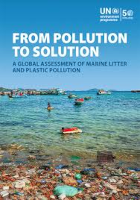
Despite current initiatives and efforts, the amount of plastics in the oceans has been estimated to be around 75-199 million tons.
Under a business-asusual scenario and in the absence of necessary interventions, the amount of plastic waste entering aquatic ecosystems could nearly triple from some 9-14 million tons per year in 2016 to a projected 23-37 million tons per year by 2040.
Using another approach, the amount is projected to approximately double from an estimated 19-23 million tons per year in 2016 to around 53 million tons per year by 2030
Plastics are the largest, most harmful and most persistent fraction of marine litter, accounting for at least 85 per cent of total marine waste.
Plastics can also alter global carbon cycling through their effect on plankton and primary production in marine, freshwater and terrestrial systems.
When plastics break down in the marine environment, they transfer microplastics, synthetic and cellulosic microfibres, toxic chemicals, metals and micropollutants into waters and sediments and eventually into marine food chains.
Risks to human health and well-being arise from the open burning of plastic waste, ingestion of seafood contaminated with plastics, exposure to pathogenic bacteria transported on plastics, and leaching out of substances of concern to coastal waters.
Microplastics can enter the human body through inhalation and absorption via the skin and accumulate in organs including the placenta.
The economic costs of marine plastic pollution with respect to its impacts on tourism, fisheries and aquaculture, together with other costs such as those of clean-ups, are estimated to have been at least United States dollars (US$) 6-19 billion globally in 2018.
It is projected that by 2040 plastic leakage into the oceans could represent a US$ 100 billion annual financial risk for businesses if governments require them to cover waste management costs at expected volumes and recyclability.
By comparison, the global plastic market in 2020 has been estimated at around US$ 580 billion while the monetary value of losses of marine natural capital is estimated to be as high as US$ 2,500 billion per year
The multiple and cascading risks posed by marine litter and plastics make them threat multipliers. They can act together with other stressors, such as climate change and overexploitation of marine resources, to cause far greater damage than if they occurred in isolation.
Habitat alterations in key coastal ecosystems caused by the direct impacts of marine litter and plastics affect local food production and damage coastal structures, leading to wide-reaching and unpredictable consequences including loss of resilience to extreme events and climate change in coastal communities.
Approximately 7,000 million of the estimated 9,200 million tons of cumulative plastic production between 1950 and 2017 became plastic waste, three-quarters of which was discarded and placed in landfills, became part of uncontrolled and mismanaged waste streams, or was dumped or abandoned in the environment, including at sea.
During the past four decades global plastic production has more than quadrupled, with the global plastic market valued at around US$ 580 billion in 2020. At the same time, the estimated global cost of municipal solid waste management is set to increase from US$ 38 billion in 2019 to US$ 61 billion in 2040 under a business-as-usual scenario.
The level of greenhouse gas emissions associated with the production, use and disposal of conventional fossil fuel-based plastics is forecast to grow to approximately 2.1 gigatons of carbon dioxide equivalent (GtCO2e) by 2040, or 19 per cent of the global carbon budget.
Citation
United Nations Environment Programme (2021). From Pollution to Solution: A global assessment of marine litter and plastic pollution. Nairobi.

Unsustainable phosphorus use affects food and water security, freshwater biodiversity and human health.
Increasing demand for food to support a growing global population continues to drive increases in phosphorus inputs to the food–system, as well as losses from land-based sources to freshwater and coastal ecosystems.
These losses cause ecological degradation through the proliferation of harmful algal blooms in fresh waters, contributing to alarmingly high rates of biodiversity decline, economic losses associated with clean-up, and large-scale human health risks from contaminated drinking water supplies.
The global anthropogenic phosphorus cycle is unsustainable. Phosphate rock is a non-substitutable, non-renewable natural resource, essential for fertilisers and animal feeds, and so for global food security. Phosphorus is also important in smaller quantities in industrial applications. Phosphorus emissions throughout agriculture, food and sewage systems are predicted to increase under global business-as-usual scenarios.
Whilst agricultural systems vary, poor phosphorus management is widespread. Estimated losses of phosphorus from agriculture to surface waters account for about 34% of global fertiliser use (~5 Mt phosphorus year-1) representing 56% of all terrestrial inputs to surface water.
In some regions, including parts of Africa and India, wastewaters are the dominant source of phosphorus emissions with wastes often discharged directly to rivers with no treatment. Globally, ~80% of all wastewaters are discharged without treatment (in low-income countries ~8% are treated, in high-income countries ~70% are treated).
Phosphorus additions to increase aquaculture yield are a growing and direct pollution threat to this food system and the freshwater and coastal ecosystems it relies upon.
Agriculture is entrenched in its reliance on mineral phosphorus fertiliser; 85% of phosphates produced for the market are processed to make mineral fertilisers and 10% are used to make animal feed supplements.
Improving the efficient use of phosphorus in agriculture and shifting reliance away from mined phosphorus sources by increasing phosphorus recycling could help to reduce supply risk, at least at a national scale.
Aquatic ecosystems are under severe stress from phosphorus pollution. The rate of biodiversity loss in fresh waters is higher than in any other planetary domain, and nutrient pollution is a key stressor.
Globally, phosphorus losses from land to fresh waters have doubled in the last century and continue to increase, contributing to toxic algal blooms, biodiversity loss, and threatening human and environmental health.
The data required to assess the money spent to address the impacts of unsustainable phosphorus use remains limited. Of the few studies published, it has been estimated that eutrophication costs the US economy US$2.2 billion annually. In the UK, similar assessments indicate losses will increase from around £173 million ($220 million) in 2018 to over £400 million (>US$500 million) by 2080 as a result of climate warming alone.
Despite this estimate, global baseline data on phosphorus emissions and impacts are limited. It is important to raise awareness of ecosystems under threat and to work across governments to ensure long-term ecosystem integrity through preventative management programmes.
Phosphorus emissions from land-based sources represent an opportunity to reduce global reliance on mined phosphate rock, whilst relieving stress on freshwater and coastal ecosystems. A move towards a circular phosphorus economy stands to increase the resilience of national scale food systems.
A global commitment to recycling nutrients in wastes and residues is needed. Recycling phosphorus-rich organic residues and manures is critical for phosphorus sustainability. Multiple strategies exist to improve the recycling of phosphorus in manures, abattoir residues, food processing and domestic wastes, sewage derived biosolids and wastewaters.
Phosphorus recovery processes provide the opportunity to produce contaminant free, high purity phosphorus products that may substitute for mined phosphorus (see Section 7.4). To increase phosphorus recycling significantly, education, awareness-raising, investment in technology and infrastructure, and policy support are urgently needed.
Reducing excessive consumption of animal products (e.g. meat, dairy, and eggs) and decreasing food waste will significantly reduce phosphorus losses from the food system.
Consuming products grown with good on-farm nutrient management practices, including phosphorus recycling can further reduce losses.
Over the last 60 years, 38% of the increased use of mineral phosphorus fertilisers can be attributed to global diet changes (see Section 8.1). This increase is predominantly related to increased consumption of animal products, especially in wealthier countries, where per-capita consumption is often higher than is recommended for healthy diets
An international framework is needed to address the lack of accurate baseline data on many of the major phosphorus flows and stocks at national, regional, and global scales.
Assessments are needed that quantify the extent of eutrophication, the costs of impacts and of necessary mitigation actions to accelerate efforts at ecosystem restoration and to prevent future damage.
Citation
W.J. Brownlie, M.A. Sutton, K.V. Heal, D.S. Reay, B.M. Spears (eds.), (2022) Our Phosphorus Future. UK Centre for Ecology & Hydrology, Edinburgh. doi: 10.13140/RG.2.2.17834.08645

Since the 1960s, human use of synthetic Nr fertilisers has increased 9-fold globally and a further substantial increase of around 40-50% is expected over the next 40 years based on current trend.
Together with increased fossil fuel combustion, humans have now created excess Nr pollution that spans all environmental compartments with multiple threats, to the extent that the disruption of the natural nitrogen cycle is now one of the greatest global threats to the environment of the 21st century.
Key N threats and estimates for the UK include: Reductions in biodiversity (i.e. degradation of sensitive habitats); Accelerated climate change via the production of nitrous oxide gas (N2O); Widespread air pollution leading to growing incidences of upper respiratory disease and cancer in humans, including the role of oxidized N in tropospheric (ground-level) ozone formation (a potent GHG that can also impact on human health and crop yields); Depletion of stratospheric ozone layer via the production of nitrous oxide gas (N2O); Eutrophication of aquatic ecosystems and hypoxic “dead zones” in the coastal ocean; Acidification of soils and forests of natural ecosystems.
The main drivers contributing to the overuse of N, its loss to the environment in a wider context and the resulting impacts can be categorized as: Inefficient farming practices; Fossil fuel combustion; Geographic concentration in urban sewerage via food; Protein consumption (multiplier of preceding drivers).
This report shows that tackling nitrogen pollution by tightening the nitrogen cycle will have multiple benefits across the environmental, economic and social pillars of sustainable development.
These include meeting the ‘Triple Challenge’ of supplying the food needs of the world, while tackling the climate crisis and reversing the loss of nature, while also protecting human health and ecosystems through improved air and water quality, and protecting the ozone layer.
A key concern with Nr is that it can move through the environment causing multiple effects in the atmosphere, in terrestrial ecosystems, in freshwater and marine systems, and on human health. This phenomenon is known as the ‘Nitrogen Cascade’, which can amplify Nr effects through both time and space and make them difficult to manage.
Figure ES1 shows that crop and livestock production systems to feed humans and animals are together the largest cause of human alteration of the UK N cycle.
Major pollutant losses to the environment include: emissions to air of ammonia (NH3) from livestock excreta and synthetic fertilisers; nitrous oxide (N2O) from denitrification processes in soils, manure and stationary combustion sources; and nitrate (NO3-) from leaching and runoff to water, mostly from agriculture, rural land management and wastewater streams (such as sewage, urban runoff and agricultural runoff).
There is also a large flux of nitrogen oxide (NOx) emissions from fossil fuel combustion, associated with transport, combustion in industry and public electricity and heat production.
Finally, there is a considerable flux of nitrogen back to the atmosphere as Nr compounds are denitrified to N2, through a wide range of industrial, terrestrial and aquatic sources, which constitutes a major loss of a useful nitrogen resource.
Assuming a full-chain approach (from creation of Nr to intended use), N use efficiency (NUE) from all anthropogenic sources of Nr is approximately 11% (FR Section 1.2), with the remaining 89% being lost into the environment in a variety of forms.
As a result of this additional input of Nr into the environment, the planetary boundary for nitrogen (i.e. the environmental limits within which humanity can safely operate) has been estimated to be exceeded by a factor of at least 2 (FR Section 1.1).
It has recently been estimated by WWF that to meet planetary boundaries, the UK’s per capita nitrogen and phosphorus footprints need to be reduced by more than 80%
Citation
WWF UK, 2021: Nitrogen: Finding The Balance Towards A Comprehensive Approach To Nitrogen In The UK, (WWF UK, London, 2022)
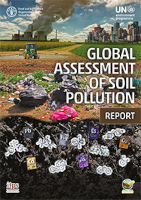
Global environmental degradation due to pressures from the growing demands of agri-food and industrial systems, responding to a rising world population, is one of the major global challenges facing humanity.
Thousands of different synthetic chemical compounds and naturally existing elements with potential toxicity have been released into the environment by human activities since ancient times.
These contaminants can have residence times in the environment in the order of hundreds to thousands of years and are distributed throughout the planet.
Pollution is a global problem that knows no borders. Contaminants are found in every continent even in their most remote areas, and are readily transported from one country to another.
Soil is one of the main recipient of contaminants. Soil pollution is one of the main threats to soil health but its impacts go far beyond the soil dimension and soil contaminants can have irreparable consequences on human and ecosystem health.
Polluted soil can act as a source of contaminants for all environmental compartments, including water, air, food, and organisms, including humans.
Ecosystem and human health are interconnected, as the Planetary Health and One Health initiatives emphasize, yet neither can be effectively addressed without tackling soil pollution.
Soil pollution can result in the loss of ecosystem services, and cause severe economic losses and social inequities, all of which jeopardise the achievement of the 2030 Agenda on Sustainable Development.
The main sources of contaminants contributing to soil pollution (in order of importance) are industrial activities, mining, waste treatment, agriculture, fossil fuels extraction and processing, and transport emissions. There is, however, no concrete and comparable data on the actual emissions of each sector.
With the exception of agrochemical inputs, most contaminant releases to soil are not easily quantified and, as a result, remain highly uncertain.
Industrial contaminants are released into the environment throughout their life cycle, from manufacturing to the production of the contaminant-containing materials, their transport, use and disposal.
Since the beginning of the XXI century, the global annual production of industrial chemicals has doubled to approximately 2.3 billion tonnes and is projected to increase by 85 percent by 2030.
Soil and environmental pollution is therefore expected to increase unless there is a rapid shift in production and consumption patterns and a political commitment towards a real sustainable management where nature is fully respected.
Despite decades of research, inventorying and monitoring of point-source polluted soils in a number of countries, there are still significant knowledge gaps and uncertainty about the number and extent of areas affected, which is compounded by the emergence of new contaminants.
The knowledge gap on soils affected by diffuse pollution and its impact on other environmental compartments is even greater.
The proliferation of organic contaminants and emerging contaminants such as pharmaceuticals, antimicrobials that result in resistant bacteria, industrial chemicals, and plastic residues is a growing societal concern.
Given the large amount of contaminants, the variety of their physical-chemical characteristics and their multiple interactions with the soil (which determine the fate of contaminants) estimating the load of contaminants is complex
Scientific knowledge on the fate of emerging contaminants is yet lacking. This makes establishing distribution models at a global level very difficult in the absence of regular systematic analysis in soil laboratories (which are more focused on the agronomic part of soils) and monitoring systems in many countries of the world..
Identification and assessment of risk at potentially polluted sites is the essential first step in the management of soil pollution.
If contamination at a given site is at levels that can cause harm to organisms, information about that site should be collected at the appropriate governmental level and made available to the public, and remediation or risk minimization actions taken accordingly, especially if the site is used for food production or as a water reservoir for human consumption.
The identification of the site also allows the tracing of ownership of the site to occur, which is fundamental to the “polluter pays” principle. Although many countries have effective processes in place to identify and assess polluted sites, this fundamental step of identifying the liable part (polluter) is still lacking in many states.
Management and remediation of polluted sites is required to protect human health and that of the environment.
Clear channels of communication are required between academia, policy makers, and society to ensure that timely, science-based information on the potential threats posed by contaminants is available to policy makers and other stakeholders.
Remediation of soil pollution is a technically complex and costly undertaking, ranging from tens of thousands to hundreds of millions of USD per year.
The cost of remediation varies from site to site depending on the characteristics of the site, the type of contaminants and their concentration, the environmental compartments affected (e.g. topsoil, groundwater, surface water), the protective measures to be taken to protect the population during the remediation work, and the post-remediation land use, as well as the technology chosen.
The production, use, transport, and disposal of the most harmful soil contaminants are regulated by global conventions (the Stockholm, Basel, Rotterdam and Minamata Conventions).
In some regions, these global agreements are extended by regional agreements such as the Bamako Convention on the Ban of the Import into Africa and the Control of Transboundary Movement and Management of Hazardous Wastes within Africa.
Countries that are not parties to these conventions should be strongly encouraged to bring them into force.
In the current scenario of a worsening global trend in soil pollution, greater political, business, and social commitment is needed to seek alternative solutions to the use of highly toxic contaminants and increased investment in research, prevention and remediation.
Enhanced cooperation and partnership are essential to ensure the availability of knowledge, the sharing of successful experiences, and universal access to clean and sustainable technologies, leaving no one behind.
Citation
FAO and UNEP. 2021. Global assessment of soil pollution - Summary for policy makers. Rome, FAO. https://doi.org/10.4060/cb4827en.
Increasing resource use is the main driver of the triple planetary crisis.
Extraction and processing of material resources (fossil fuels, minerals, non-metallic minerals and biomass) account for over 55 per cent of greenhouse gas emissions (GHG) and 40 per cent of particulate matter health related impacts.
If land use change is considered, climate impacts grow to more than 60 per cent, with biomass contributing the most (28 per cent) followed by fossil fuels (18 per cent) and then non-metallic minerals and metals (together 17 per cent).
Biomass (agricultural crops and forestry) also account for over 90 per cent of the total land use related biodiversity loss and water stress.
Material use has increased more than three times over the last 50 years. It continues to grow by an average of more than 2.3 per cent per year.
Material use and its impact continue to rise at a greater rate than increases in well-being (as measured by inequality-adjusted Human Development Index).
The built environment and mobility systems are the leading drivers of rising demand, followed by food and energy systems. Combined, these systems account for about 90 per cent of global material demand.
Without urgent and concerted action to change the way resources are used, material resource extraction could increase by almost 60 per cent from 2020 levels by 2060, from 100 to 160 billion tonnes, far exceeding what is required to meet essential human needs for all in line with the SDGs
Climate and biodiversity impacts from material extraction and processing greatly exceed targets based on staying within 1.5 degrees of climate change and avoiding biodiversity loss.
Integrating sustainable resource use in the implementation of MEAs is necessary to meet agreed climate, biodiversity, pollution and land degradation neutrality outcomes.
Action is required now to lower GHG emissions, paying attention to the crucial role of materials. A sustainable and circular bioeconomy must be based on prioritizing the use of biomass to maximize well-being and minimize impact, while conversion of biodiversity-and carbon-rich natural systems must be avoided and reversed to promote net naturepositive outcomes.
Delivering on the SDGs for all requires decoupling, so that the environmental impacts of resource use fall while the well-being contributions from resource use increase.
Resource efficiency and supporting policies can reduce material resource use and dramatically reduce environmental impacts in high and upper middle-income countries (absolute decoupling) while improving well-being and boosting economic growth.
There has so far been no evidence of widespread absolute decoupling at the global level. In low and lower middle-income countries policy should focus on reducing environmental pressures and impacts and improving resource efficiency, acknowledging increases in resource use (relative decoupling) will be required to reduce inequalities and improve well-being.
High-income countries use six times more materials per capita and are responsible for ten times more climate impacts per capita than low-income countries.
The per capita material footprint of high-income countries, the highest of all income groups, has remained relatively constant since 2000. Upper middleincome countries have more than doubled their material footprint per capita approaching high-income levels, while their per capita impacts continue to be lower than high-income countries.
Compared to historical trends, it is possible to reduce resource use while growing the economy, reducing inequality, improving well-being and dramatically reducing environmental impacts.
Bold policy action is critical to phase out unsustainable activities, speed up responsible and innovative ways of meeting human needs and promote social acceptance of the necessary transitions.
Urgent action is needed to institutionalise resource governance including embedding resources in the delivery of MEAs, defining sustainable resource use paths on all governance levels and, for example, developing multi-scale institutional arrangements in support of sustainable natural resource management.
Equally important is reflecting the true costs of resources in the structure of the economy and the redirecting of finance towards sustainable resource use including through setting economic incentives correctly (including for example incentives addressing the rebound effect and subsidies reform), making trade and trade agreements engines of sustainable resource use, mainstreaming sustainable consumption options and creating circular, resource-efficient and low-impact solutions and business models.
The prevailing approach of focusing almost exclusively on supply-side (production) measures must be supplemented with a much stronger focus on demand-side (consumption) measures.
The scientific community is united around the urgency of resolute action and bold evidencebased decisions that protect the interests and well-being of all, including future generations.
The only choice is to stabilize and balance the human relationship with the rest of nature. Weak, partial, fragmented or slow policies will not work.
This can only be possible with far-reaching and truly systemic shifts in energy, food, mobility and the built environment implemented at an unprecedented scale and speed.
Citation
United Nations Environment Programme (2024): Global Resources Outlook 2024: Bend the Trend – Pathways to a liveable planet as resource use spikes. International Resource Panel. Nairobi. https://wedocs.unep.org/20.500.11822/44901
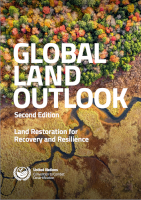
Land resources – soil, water, and biodiversity – provide the foundation for the wealth of our societies and economies. They meet the growing needs and desires for food, water, fuel, and other raw materials that shape our livelihoods and lifestyles. However, the way we currently manage and use these natural resources is threatening the health and continued survival of many species on Earth, including our own.
Of nine planetary boundaries used to define a ‘safe operating space for humanity’, four have already been exceeded: climate change, biodiversity loss, land use change, and geochemical cycles. These breaches are directly linked to human-induced desertification, land degradation, and drought. If current trends persist, the risk of widespread, abrupt, or irreversible environmental changes will grow.
Tracking the health of nature over almost 50 years, the Living Planet Index acts as an early warning indicator by tracking trends in the abundance of mammals, fish, reptiles, birds and amphibians around the world. In its most comprehensive finding to date, this edition shows an average 69% decline in the relative abundance of monitored wildlife populations around the world between 1970 and 2018.
Roughly USD 44 trillion of economic output – more than half of global annual GDP– is moderately or highly reliant on natural capital. Yet governments, markets, and societies rarely account for the true value of all nature’s services that underpin human and environmental health. These include climate and water regulation, disease and pest control, waste decomposition and air purification, as well as recreation and cultural amenities.
Conserving, restoring, and using our land resources sustainably is a global imperative: one that requires moving to acrisis footing.
At no other point in modern history has humanity faced such an array of familiar and unfamiliar risks and hazards, interacting in a hyper-connected and rapidly changing world. We cannot afford to underestimate the scale and impact of these existential threats. Rather we must work to motivate and enable all stakeholders to go beyond existing development and business models to activate a restorative agenda for people, nature, and the climate.
Land restoration is essential and urgently needed. It must be integrated with allied measures to meet future energy needs while drastically reducing greenhouse gasemissions; address food insecurity and water scarcity while shifting to more sustainable production and consumption; and accelerate a transition to a regenerative, circular economy that reduces waste and pollution.
Restoration is a proven and cost-effective solution to help reverse climate change and biodiversity loss caused by the rapid depletion of our finite natural capital stocks.
Land restoration is broadly understood as a continuum of sustainable land and water management practices that can be applied to conserve or ‘rewild’ natural areas, ‘up-scale’ nature-positive food production in rural landscapes, and ‘green’ urban areas, infrastructure, and supply chains.
The land restoration agenda is a multiple benefits strategy that reverses past land and ecosystem degradation while creating opportunities that improve livelihoods and prepareus for future challenges.
Land is the operative link between biodiversity loss and climate change, and therefore must be the primary focus of any meaningful intervention to tackle these intertwined crises. Restoring degraded land and soil provides the most fertile ground on which to take immediate and concerted action.
Land and ecosystem restoration will help slow global warming, reduce the risk, scale, frequency, and intensity of disasters (e.g., pandemics, drought, floods), and facilitate the recovery of critical biodiversity habitat and ecological connectivity to avoid extinctions and restore the unimpeded movement of species and the flow of natural processes that sustain life on Earth.
Restoration is needed in the right places and at the right scales to better manage interconnected global emergencies. Responsible governance and land use planning will be key to protecting healthy and productive land and recuperating biodiverse, carbon-rich ecosystems to avoid dangerous tipping points.
Modern agriculture has altered the face of the planet more than any other human activity– from the production of food, animal feed, and other commodities to the marketsand supply chains that connect producers to consumers.
Making our food systems sustainable and resilient would be a significant contribution to the success of the global land, biodiversity, and climate agendas.
Globally, food systems are responsible for 80% of deforestation, 70% of freshwater use, and are the single greatest cause of terrestrial biodiversity loss.
At the same time, soil health and biodiversity below ground – the source of almost all our food calories – has been largely neglected by the industrial agricultural revolution of the last century.
Intensive monocultures and the destruction of forests and other ecosystems for food and commodity production generate the bulk of carbon emissions associated with land use change. Nitrous oxides from fertilizer use and methane emitted by ruminant livestock comprise the largest and most potent share of agricultural greenhouse gas emissions.
Top-down solutions to avoid or reduce land degradation and water scarcity are unlikely to succeed without bottom-up stakeholder engagement and the security of land tenure and resource rights.
At the same time, trusted institutions and networks are needed tohelp build bridges that bring together different forms of capital to restore land health and create dignified jobs.
More inclusive and responsible governance can facilitate the shift to sustainable land use and management practices by building human and social capital.
Increased transparency and accountability are prerequisites for integrated land use planning and other administrative tools that can help deliver multiple benefits at various scales while managing competing demands.
Redirecting public spending towards regenerative land management solutions offers a significant opportunity to align private sector investment with longer-term societal goals– not only for food, fuel, and raw materials, but also for green and blue infrastructure for drought and flood mitigation, renewable energy provision, biodiversity conservation, and water and waste recycling.
Territorial and landscape approaches can leverage public and private financing for large-scale or multi-sector restoration initiatives by allowing diverse groups of stakeholders to establish partnerships that pool resources, aggregate project activities, and share costs. These collaborative approaches will make land restoration initiatives more effective and attractive to donors and investors.
The stark implications of the business-as-usual scenario means that decisive action at all levels and from all actors is needed to realize the promise of the restoration scenarios contained in this Outlook.
What is clear and unequivocal is the need for coordinated measures to meaningfully slow or reverse climate change, land degradation, and biodiversity loss to safeguard human health and livelihoods, ensure food and water security, and leave a sustainable legacy for future generations.
Ambitious land restoration targets must be backed by clear action plans and sustained financing. Countries that are disproportionately responsible for the climate, biodiversity, and environmental crises must do more to support developing countries as they restoretheir land resources and make these activities central to building healthier and more resilient societies.
The UN Decade on Ecosystem Restoration is galvanizing indigenous peoples and local communities, governments, the private sector, and civil society as part of a global movement to undertake all types of restoration, across all scales, marshalling all possible resources. This powerful 10-year ambition aims to transform land and water management practices to meet the demands of the 21st century while eradicating poverty, hunger, and malnutrition.
Citation
United Nations Convention to Combat Desertification, 2022. The Global Land Outlook, second edition. UNCCD, Bonn.
The world is experiencing significant electronification, including a digital transformation, with technologies profoundly changing the way we live, work, learn, socialize and do business.
Many people own and use multiple electronic devices, and the increasing interconnectivity of urban and remote areas has led to a rise in the number of devices and objects linked to the Internet.
This growth has seen a concomitant surge in the amount of EEE and e-waste.
When EEE is disposed of, it generates a waste stream that contains both hazardous and valuable materials, collectively known as e-waste, or waste electrical and electronic equipment (WEEE).
In 2022, a record 62 billion kg of e-waste was generated globally (equivalent to an average of 7.8 kg per capita per year); 22.3 per cent of this e-waste mass was documented as formally collected and recycled in an environmentally sound manner.
In 2010, the world generated 34 billion kg of e-waste, an amount that has since increased annually by an average of 2.3 billion kg. The documented formal collection and recycling rate has increased as well, growing from 8 billion kg in 2010 at an average rate of 0.5 billion kg per year to 13.8 billion kg in 2022.
The rise in e-waste generation is therefore outpacing the rise in formal recycling by a factor of almost 5 - driven by technological progress, higher consumption, limited repair options, short product lifecycles, growing electronification and inadequate e-waste management infrastructure - and has thus outstripped the rise in formal and environmentally sound collection and recycling.
The e-waste generated in 2022 contained 31 billion kg of metals, 17 billion kg of plastics and 14 billion kg of other materials (minerals, glass, composite materials, etc.
An estimated 19 billion kg of e-waste, mainly from metals like iron which is present in high quantities and has high recycling rates in almost all e-waste management routes, were turned into secondary resources.
Platinum-group metals and precious metals were among the most valuable metals but present in much lower quantities; nonetheless, an estimated 300 thousand kg were turned into secondary resources through formal and informal recycling practices.
The share of patent applications for e-waste management rose from 148 per million in 2010 to 787 per million in 2022. Most of those applications were related to technologies for cable recycling, with hardly any signs of an increase in the number of patents filed for technologies related to critical raw materials recovery.
Although rare earth elements have unique properties that are crucial for future technologies, including renewable energy generation and e-mobility, the world remains stunningly dependent on the production chains of a few countries.
The recycling of such elements remains economically challenging, even in the case of devices with a higher content.
Consequently, recycling activities are taking only around 1 per cent of the current demand for the recycling of rare earth elements. The market price for rare earth elements is still too low to support larger-scale commercial recycling operation.
Most e-waste is managed outside formal collection and recycling schemes. As a result of non-compliant e-waste management, 58 thousand kg of mercury and 45 million kg of plastics containing brominated flame retardants are released into the environment every year. This has a direct and severe impact on the environment and people’s health.
Documented formal collection and recycling rates vary significantly across regions, with Europe boasting a rate of 42.8 per cent. Nevertheless, EU Member States have made little progress towards reaching their own legally binding collection targets.
African countries generate the lowest rates of e-waste but struggle to recycle it; their recycling rates are below 1 per cent.
Countries in Asia generate almost half of the world’s e-waste (30 billion kg) but have made limited advances in e-waste management; moreover, relatively few of them have enacted legislation or established clear e-waste collection targets.
In 2022, the regions that generated the highest amount of e-waste per capita were Europe (17.6 kg), Oceania (16.1 kg) and the Americas (14.1 kg). Since these are the regions with the most advanced collection and recycling infrastructure, they also have the highest documented per capita collection and recycling rates (7.53 kg per capita in Europe, 6.66 kg per capita in Oceania and 4.2 kg per capita in the Americas).
The growth rate of countries implementing e-waste policy, legislation or regulation is decelerating, according to June 2023 data. In all, 81 countries (42 per cent of all countries worldwide) have adopted e-waste policies, covering 72 per cent of the global population.
However, the enforcement of e-waste policy, legislation and regulation remains a genuine challenge globally, and the stagnation of the global e-waste collection and recycling rate is likely exacerbated by the fact that only 48 countries have collection rate targets and only 37 have recycling rate targets.
Overall, the level of awareness about e-waste remains low and there are few appropriate disposal options. Moreover, the gap between awareness and actual action and implementation remains huge, as many high-income countries have experienced.
While there are limited e-waste disposal options and an ecological footprint from production, there is a momentum to promote the extended use of EEE products through their repair and refurbishment.
The economic value of the metals contained in the e-waste generated globally in 2022 is estimated at USD 91 billion. Valuable secondary raw materials are copper (USD 19 billion), gold (USD 15 billion) and iron (USD 16 billion). These metals can be efficiently reclaimed with high recycling rates using current e-waste management technologies, implying that improved collection rates could substantially increase current value recovery rates.
Currently, e-waste management generates USD 28 billion worth of secondary raw materials out of the maximum of USD 91 billion. Most losses occur due to incineration, landfilling or substandard treatment. The current secondary raw material production avoids extraction of 900 billion kg of ore.
This highlights the importance of a circular economy to create more secure and sustainable value chains. Moreover, urban mining is essential to further reduce environmental degradation.
E-waste management globally prevents 93 billion kg of CO2 -equivalent emissions in the form of refrigerants in temperature exchange equipment (41 billion kg) and through the lower greenhouse gas emissions obtained by recycling metals versus mining (52 billion kg).
In addition, urban mining constitutes a more sustainable approach to resource use, as it conserves natural resources, reduces the environmental impact and land disturbance compared to primary mining activities, saves energy, diverts e-waste from landfills, creates local economic opportunities and enhances supply chain security.
According to current economic assessments, e-waste management in its current status has economic benefits (e.g. the recovery of metals) but also costs (e.g. e-waste treatment and hidden externalized costs for society). The overall annual economic monetary cost of e-waste management is estimated at USD 37 billion worldwide.
While the twin green and digital transition could be of tremendous benefit for humanity, policy-makers must also ensure that they reinforce each other and address any adverse environmental impacts. Efforts to achieve universal connectivity and shift from fossil fuels to cleaner energy production will ultimately generate more e-waste.
E-waste management is projected to lead to losses amounting to USD 40 billion in 2030. The primary costs consist of USD 93 billion in externalized costs to the population and the environment, stemming from lead and mercury emissions, plastic leakages and contributions to global warming, particularly in cases where hazardous substances are not properly managed.
Any substantial increase in the collection and recycling of e-waste will require significant cooperation between the formal and informal sectors, and major improvements to/formalization of the work of the informal sector.
Citation
Cornelis P. Baldé, Ruediger Kuehr, Tales Yamamoto, Rosie McDonald, Elena D’Angelo, Shahana Althaf, Garam Bel, Otmar Deubzer, Elena Fernandez-Cubillo, Vanessa Forti, Vanessa Gray, Sunil Herat, Shunichi Honda, Giulia Iattoni, Deepali S. Khetriwal, Vittoria Luda di Cortemiglia, Yuliya Lobuntsova, Innocent Nnorom, Noémie Pralat, Michelle Wagner (2024). International Telecommunication Union (ITU) and United Nations Institute for Training and Research (UNITAR). 2024. Global E-waste Monitor 2024. Geneva/Bonn.
Every year across the globe more than two billion tonnes of municipal solid waste (MSW) is generated. If packed into standard shipping containers and placed end-to-end, this waste would wrap around the Earth’s equator 25 times, or further than traveling to the moon and back.
As well as municipal waste, human activity generates significant amounts of agricultural; construction and demolition; industrial and commercial; and healthcare waste. This waste is produced on farms and building sites and in factories and hospitals.
The way people buy, use and discard materials determines the amount of energy and raw materials used and how much waste is generated. Municipal waste is thus intrinsically linked to the triple planetary crisis of climate change, pollution and biodiversity loss.
Since then, despite some concerted efforts, little has changed. If anything, humanity has moved backwards - generating more waste, more pollution and more greenhouse gas (GHG) emissions. Billions of tonnes of municipal waste is still being generated every year, and billions of people still don’t have their waste collected.
Uncontrolled waste knows no national borders. It is carried by waterways across and between countries, while emissions from the burning and open dumping of waste are deposited in terrestrial and aquatic ecosystems and in the atmosphere.
Pollution from waste is associated with a range of adverse health and environmental effects, many of which will last for generations.
Waste is hugely diverse and there are different ways of categorising it, for example by: Material, e.g. food waste or plastic waste; Product type, e.g. e-waste (electrical and electronic waste) or end-of-life vehicles, which contain multiple materials; Source, e.g. MSW, which contains multiple product types and materials.
Data is severely lacking for these other waste streams. Quantities vary significantly according to whether a country’s economy is primarily agricultural or industrial, and its level of urbanisation.
Healthcare waste is usually only a fraction of municipal waste but may be more hazardous.
Some products or materials found in the MSW stream are of particular concern. This is owing to rapid increases in their amounts or difficulties in collection, treatment, and other aspects of waste management aimed at meeting standards for protecting health and the environment. Examples of these materials are:; Hazardous chemical waste; Electrical and electronic waste (e-waste); Textiles; Plastics; Food waste; End-of-life vehicles and waste from mechanics’ garages.
The management of MSW poses unique challenges due to its sheer volume, continual growth, diverse composition, ubiquity in human settlements, variability and influence by cultural change, and the intricate web of social, economic and environmental impacts that arise from its management.
Transporting, processing and disposing of waste generates CO2 and other greenhouse gases and airborne pollutants that contribute to climate change.
Methane is released from the decomposition of organic waste in landfills and dumpsites (UNEP and Climate and Clean Air Coalition [CCAC] 2021), with short-term effects on global warming (UNEP and Climate and Clean Air Coalition [CCAC] 2021).
Indiscriminate waste disposal practices can introduce hazardous chemicals into soil, water bodies and the air, causing long-term, potentially irreversible damage to local flora and fauna, negatively impacting biodiversity, harming entire ecosystems, and entering the human food chain.
The long-term pollution of land and aquatic ecosystems by waste has been recognised as one of the main drivers of biodiversity loss and puts the integrity of entire ecosystems at risk.
Between 400,000 and 1 million people die every year as a result of diseases related to mismanaged waste that includes diarrhoea, malaria, heart disease and cancer.
Waste disposed of on land can cause long-term pollution of freshwater sources by pathogens, heavy metals, endocrine-disrupting chemicals and other hazardous compounds.
Access to waste collection services varies significantly within and between regions. In higher-income regions almost all municipal solid waste is collected, while less than 40 per cent of municipal solid waste is collected in lower-income countries.
Generally, as countries become wealthier, rates of industrialisation and urbanisation increase, housing and consumption patterns change, and a wider range of products becomes available on the market. This, in turn, drives an increase in the average amount of MSW generated per person.
Although there are significant relationships between waste generation and indicators such as the Human Development Index, share of urban population, gross national income and adult literacy rates, analysis shows that the best model fit is linear regression using only GDP per capita.
In the countries or regions with the highest total MSW generation, there is sometimes a relatively low rate of MSW generation per capita. For example, Figure 2 shows that comparable quantities are generated by North America and Central and South Asia, although there is a marked difference in the quantities generated per capita. In addition, the number of fast-growing middle-income countries, where waste management issues are especially prominent, is increasing.
Across countries and regions there are significant challenges in terms of waste data and availability. One important issue is the lack of standardisation in measurement and reporting; another is the lack of well-developed monitoring systems in many countries, which means adequate estimates do not exist for simple indicators such as total collected waste and the share of collected waste deposited in controlled landfills.
Some countries have no official waste data whatsoever, or this data may be incomplete or inaccurate. The use of different methodologies can also make comparisons challenging. These issues are most pronounced in regions with the largest amounts of uncontrolled waste, underscoring the difficulties involved in providing accurate estimates and analyses of the impacts of uncontrolled waste globally, both now and in the future.
Some 2.7 billion people do not have their waste collected: 2 billion in rural areas and 700 million in urban areas; This amounts to 540 million tonnes of MSW, or around 27 per cent of the global total, not being collected.
As shown in Figure 11, Northern and Southern Europe have among the world’s highest recycling rates (44 and 42 per cent, respectively) although the total amount of waste recycled in East and South-East Asia is higher than that recycled in these European regions combined, in part because significant quantities of materials are shipped from Europe to Asia for recycling (presenting a risk of double-counting).
It should be emphasised that recycling is not the ultimate goal of waste management: it is always better to reduce waste by preventing it in the first place, or reuse materials that would otherwise become waste, than to produce waste and then recycle it.
While humans have been dumping and burning waste since prehistoric times, both population and waste growth along with the increasing complexity of materials mean that today uncontrolled waste disposal practices are increasingly problematic.
Dumped waste attracts vermin and blocks drains, leading to local flooding and the fostering of breeding grounds for disease-mosquitoes, and ultimately contributing to marine plastic pollution.
However, waste burning generates a wide range of airborne pollutants including Unintentional Persistent Organic Pollutants and other chemicals of concern for public health (Pathak et al. 2023). Pollutants from mismanaged waste can bioaccumulate in the food chain and in mothers’ breast milk, with potential multigenerational consequences (Guo et al. 2019; López Sanguos et al. 2023). Black carbon emitted from open burning has adverse impacts on human health and the environment. It is a powerful atmospheric warming agent that increases the melting rate of polar ice (Arctic Council Secretariat 2021).
The term “dumping of waste” can refer to indiscriminate disposal (littering) and also to the accumulation of waste at uncontrolled dumpsites, many of which have existed for decades and have reached immense proportions. Uncontrolled dumpsites, which until the middle of the last century were the dominant disposal choice globally, pose ongoing risks to water quality, public health and the climate.
A significant proportion of dumpsites are on or near coastlines, where they may leak persistent, bioaccumulative and toxic chemicals such as polychlorinated bisphenols, as well as plastics and other types of waste, into coastal and marine environments.
The risks associated with these dumpsites are exacerbated by climate change (higher temperatures, sea level rise and greater magnitude and frequency of storms).
Unsustainable consumption and production patterns result in increasing quantities of waste to manage, which in turn increase the direct costs to society. The analysis carried out for this report (see Annex 2) found that in 2020 MSW management globally cost US$252.3 billion.
Worldwide, the externalities of MSW and its mismanagement are experienced most severely by communities that are already disproportionately affected by poor environmental quality, particularly waste workers and citizens in lowerincome countries and Small Island Developing States.
The reasons for this vary. They include: Limited capacity and technical capability to deal with fast-growing waste streams; Prohibitive costs of upgrading infrastructure; Inability to hold polluters to account, either through enforcing environmental regulations or through market mechanisms such as Extended Producer Responsibility (EPR); Illegal waste trafficking to countries with weaker (or poorly enforced) environmental regulations and already inadequate waste management systems; Limited influence or control over product design, including material choice and design for longevity, reuse or recycling.
Improving waste management worldwide will require significant investments, by far the most affordable solution is to drastically reduce waste and value secondary materials as a resource.
Despite awareness of the global waste crisis, progress towards waste prevention and improved waste management is not occurring rapidly enough.
Waste management is a complex problem characterised by multi-layered interdependencies, compound social dynamics and webs of stakeholders (a “wicked problem”, as described in Salvia et al. 2021). Combinations of these factors lead to unpredictable outcomes, with decisions impacted by how challenges are understood and framed (Salvia et al. 2021).
Political leaders need to recognise the urgency of the waste crisis and its impacts on society.
While municipalities are typically responsible for waste management, no single stakeholder has responsibility for waste reduction despite its clear public benefits and priority position on the waste hierarchy. Consequently, zero waste and circular economy business models that could help to decouple economic growth from waste generation have too often been considered secondary to waste management.
Citation
United Nations Environment Programme (2024). Global Waste Management Outlook 2024: Beyond an age of waste – Turning rubbish into a resource. Nairobi. https://wedocs.unep.org/20.500.11822/44939
The world generates 0.74 kilogram of waste per capita per day, yet national waste generation rates fluctuate widely from 0.11 to 4.54 kilograms per capita per day. Waste generation volumes are generally correlated with income levels and urbanization rates.
An estimated 2.01 billion tonnes of municipal solid waste were generated in 2016, and this number is expected to grow to 3.40 billion tonnes by 2050 under a business-as-usual scenario.
The total quantity of waste generated in low-income countries is expected to increase by more than three times by 2050. Currently, the East Asia and Pacific region is generating most of the world’s waste, at 23 percent, and the Middle East and North Africa region is producing the least in absolute terms, at 6 percent. However, waste is growing the fastest in Sub-Saharan Africa, South Asia, and the Middle East North Africa regions, where, by 2050, total waste generated is expected to approximately triple, double, and double, respectively.
Food and green waste comprise more than 50 percent of waste in low- and middle-income countries. In high-income countries the amount of organic waste is comparable in absolute terms but, because of larger amounts of packaging waste and other nonorganic waste, the fraction of organics is about 32 percent.
Recyclables make up a substantial fraction of waste streams, ranging from 16 percent paper, cardboard, plastic, metal, and glass in low-income countries to about 50 percent in high-income countries. As countries rise in income level, the quantity of recyclables in the waste stream increases, with paper increasing most significantly.
More than one-third of waste in high-income countries is recovered through recycling and composting.
Waste collection rates vary widely by income levels. High- and upper-middleincome countries typically provide universal waste collection. Low-income countries tend to collect about 48 percent of waste in cities, but outside of urban areas waste collection coverage is about 26 percent. In middleincome countries, rural waste collection coverage varies from 33 percent to 45 percent.
Globally, about 37 percent of waste is disposed of in some type of landfill, 33 percent is openly dumped, 19 percent undergoes materials recovery through recycling and composting, and 11 percent is treated through modern incineration.
Adequate waste disposal or treatment using controlled landfills or more stringently operated facilities is almost exclusively the domain of highand upper-middle-income countries. Lower-income countries generally rely on open dumping—93 percent of waste is dumped in low-income countries and only 2 percent in high-income countries.
Upper-middle-income countries practice the highest percentage of landfilling, at 54 percent. This rate decreases in high-income countries to 39 percent, where 35 percent of waste is diverted to recycling and composting and 22 percent to incineration.
High-income countries are expected to experience the least amount of waste generation growth by 2030, given that they have reached a point of economic development at which materials consumption is less linked to gross domestic product growth.
Low-income countries are positioned for the greatest amount of growth in economic activity as well as population, and waste levels are expected to more than triple by 2050. At a per capita level, trends are similar in that the largest growth in waste generation is expected in low and middle-income countries
Since waste generation is generally expected to increase with economic development and population growth, regions with high proportions of growing low-income and lower-middle-income countries are anticipated to experience the greatest increase in waste production.
In particular, the Sub-Saharan Africa and South Asia regions are expected to see waste levels approximately triple and double, respectively, in the next three decades with economic growth and urbanization (figure 2.7). Regions with higher-income countries, such as North America and Europe and Central Asia, are expected to see waste levels rise more gradually.
Waste composition varies considerably by income level (figure 2.9). The percentage of organic matter in waste decreases as income levels rise. Consumed goods in higher-income countries include more materials such as paper and plastic than they do in lower-income countries. The granularity of data for waste composition, such as detailed accounts of rubber and wood waste, also increases by income level.
Across global food systems, food loss and waste (FLW) is a widespread issue, posing a challenge to food security, food safety, the economy, and environmental sustainability. No accurate estimates of the extent of FLW are available, but studies indicate that FLW is roughly 30 percent of all food globally (FAO 2015). This amounts to 1.3 billion tonnes per year.
FLW represents wastage of resources, including the land, water, labor, and energy used to produce food. It strongly contributes to climate change because greenhouse gases are emitted during food production and distribution activities, and methane is released during the decay of wasted food.
Waste collection rates in high-income countries and in North America are near 100 percent (figure 2.10).2 In lower-middle-income countries, collection rates are about 51 percent, and in low-income countries, about 39 percent
In low-income countries, uncollected waste is often managed independently by households and may be openly dumped, burned, or, less commonly, composted.
Improvement of waste collection services is a critical step to reduce pollution and thereby to improve human health and, potentially, traffic congestion.
Waste collection rates tend to be substantially higher for urban areas than for rural areas, since waste management is typically an urban service. In lower-middle-income countries, waste collection rates are more than twice as high in cities as in rural areas.
Around the world, almost 40 percent of waste is disposed of in landfills (figure 2.12).3 About 19 percent undergoes materials recovery through recycling and composting,4 and 11 percent is treated through modern incineration. Although globally 33 percent of waste is still openly dumped,5 governments are increasingly recognizing the risks and costs of dumpsites and pursuing sustainable waste disposal methods.
Waste disposal practices vary significantly by income level and region (figure 2.13). Open dumping is prevalent in lower-income countries, where landfills are not yet available. About 93 percent of waste is burned or dumped in roads, open land, or waterways in low-income countries, whereas only 2 percent of waste is dumped in high-income countries. More than two-thirds of waste is dumped in the South Asia and SubSaharan Africa regions, which will significantly impact future waste growth.
As nations prosper economically, waste is managed using more sustainable methods. Construction and use of landfills is commonly the first step toward sustainable waste management. Whereas only 3 percent of waste is deposited in landfills in low-income countries, about 54 percent of waste is sent to landfills in upper-middle-income countries.
Furthermore, wealthier countries tend to put greater focus on materials recovery through recycling and composting. In high-income countries, 29 percent of waste is recycled and 6 percent composted. Incineration is also more common. In highincome countries, 22 percent of waste is incinerated, largely within highcapacity and land-constrained countries and territories such as Japan and the British Virgin Islands.
Some waste streams, such as industrial waste, are generated in much higher quantities than municipal solid waste (table 2.2).
For the countries with available industrial waste generation data, the trend shows that globally, industrial waste generation is almost 18 times greater than municipal solid waste. Generation of industrial waste rises significantly as income level increases.
Global agricultural waste production is more than four and a half times that of municipal solid waste. Agricultural waste is most significant in countries with large farming industries. Agricultural waste is often managed separately from other waste streams since it is largely organic and may serve as a useful input for future agricultural activities.
Construction and demolition waste may compete with municipal solid waste for disposal space in landfills. In some countries, such as India, it is common to dispose of both in the same disposal facilities.
Hazardous, medical, and e-waste are typically only a fraction of municipal solid waste. If disposed of properly, these wastes are typically treated in specialized facilities, including chemical processing plants, incinerators, and disassembly centers, respectively.
The generation of e-waste is associated with economic development, with high-income countries generating five times the volume of e-waste generated by lowermiddle-income countries. The increasing amount of e-waste and its potential for environmental pollution and recycling may be an area of consideration for rapidly developing countries.
Citation
Kaza, Silpa, Lisa Yao, Perinaz Bhada-Tata, and Frank Van Woerden. 2018. What a Waste 2.0: A Global Snapshot of Solid Waste Management to 2050. Urban Development Series. Washington, DC: World Bank. doi:10.1596/978-1-4648-1329-0. License: Creative Commons Attribution CC BY 3.0 IGO
Why And Pollution? To address its global impact:
|
|
Nutrient
|
|
Air
|
|
Freshwater
|
|
Chemical
|
|
Plastic
|
|
|
Marine
|
|
E-Waste |
|
Soil
|
|
Greenhouse
|
|
Solid
|