 | And Pollution


Media
“We continue to provide the latest coverage on politics, the economy, and the environment including climate change, biodiversity loss, and pollution.”
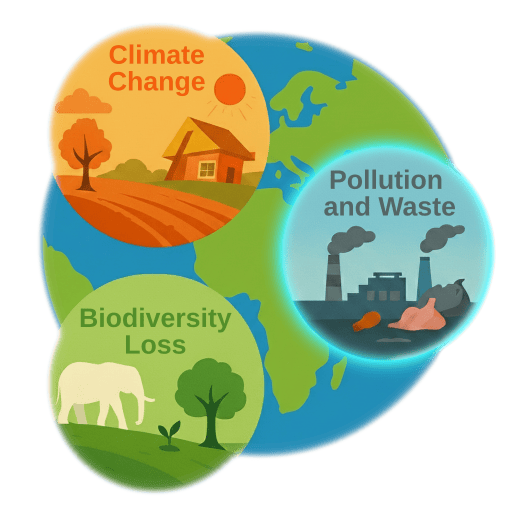
The world is facing a triple planetary crisis of climate change, nature and biodiversity loss, and pollution and waste.





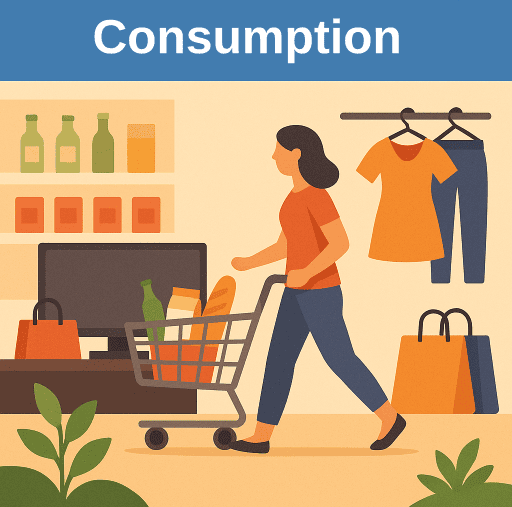
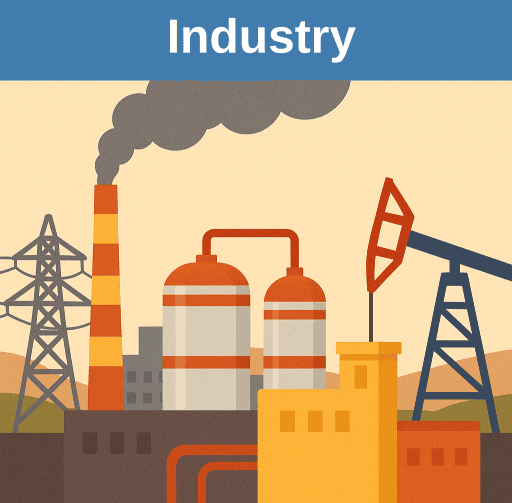
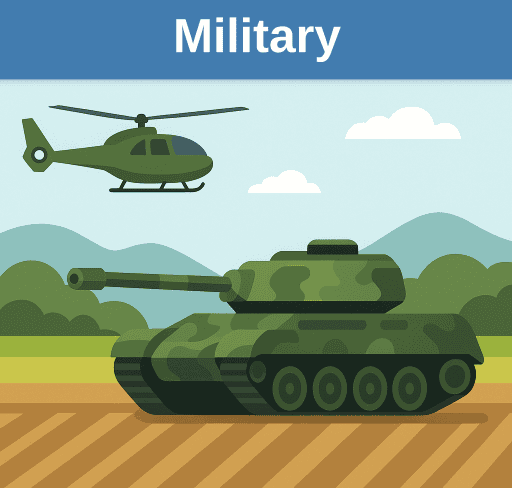
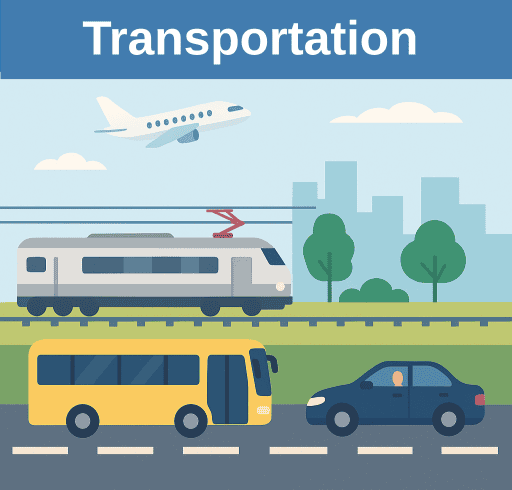
Sources: EPA, IPBES, IPCC, NOAA, NRDC, SRC, UNEP, USACE, WHO
Includes particulate matter, ozone-depleting substances, and other localized atmospheric contaminants.
Other forms of air pollution have more immediate, direct, and localized impacts on air quality and health. Key pollutants include particulate matter (PM2.5 and PM10), sulfur dioxide (\(SO_2\)), and nitrogen oxides (NOx), which contribute to smog and acid rain and cause various adverse health outcomes for humans.
Overwhelming the natural cycles of nitrogen and phosphorus due to agricultural runoff.
The excessive use of agricultural fertilizers leads to the runoff of nitrogen and phosphorus into water bodies. This causes eutrophication, which results in algal blooms and oxygen-depleted “dead zones” that kill aquatic life. This boundary has been significantly overstepped.
The release of human-made synthetic chemicals and heavy metals that disrupt ecosystems.
This includes thousands of synthetic chemicals, pesticides, and heavy metals that can persist in the environment and accumulate in organisms, causing toxic effects and long-term ecosystem damage.
Contamination of rivers, lakes, groundwater, and soil moisture.
The contamination of freshwater sources from sewage, industrial waste, and agricultural runoff is a critical component of the planetary crisis. It affects water quality, ecosystem health, and the availability of safe drinking water.
Emissions that trap heat and drive climate change.
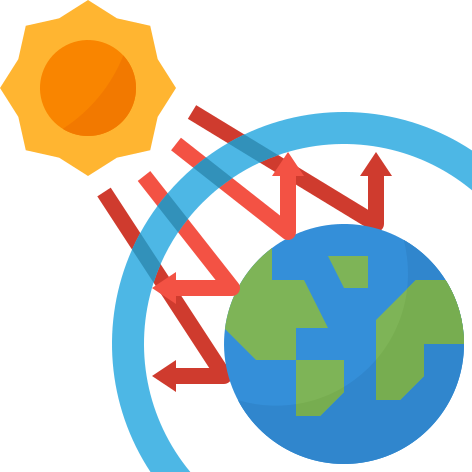
GHG pollution, primarily from the burning of fossil fuels, is the main driver of global warming. Key gases include carbon dioxide (\(CO_2\)), methane (\(CH_4\)), and nitrous oxide (\(N_2O\)).

Excessive artificial light that disrupts natural cycles.
This form of pollution, common in urban environments, interferes with the biological rhythms and navigation of nocturnal animals, birds, and insects, impacting ecosystem balance.
Contamination of oceans, seas, and coastal environments from land-based and marine sources.
Marine pollution is caused by runoff, plastic waste, oil spills, and discharges from shipping and ocean mining. This pollution contributes to ocean acidification, damages marine ecosystems and biodiversity, and affects coastal communities.

Unwanted sound from human activities that interferes with wildlife and human health.
Excessive noise from traffic, industry, and other sources can stress wildlife, interfere with animal communication, and cause a range of health issues for humans, including hearing loss and sleep disturbances.
New human-made materials with widespread environmental impacts.
This includes plastics and microplastics, which have surpassed the planetary boundary for safe levels. These materials are now found in all Earth systems and have wide-ranging impacts on ecosystems, wildlife, and human health.
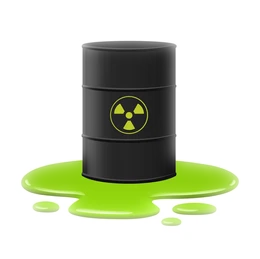
The release of radioactive substances from nuclear activities.
This pollution can come from sources like nuclear power plants, weapons testing, and certain medical procedures. Radioactive waste can persist for extremely long periods, contaminating soil and water and posing significant health risks.
Contamination of land with pesticides, fertilizers, and industrial waste.
Contaminated soil disrupts vital ecosystem processes, threatens food production, and can lead to contaminants entering the food chain. Sources include agricultural chemicals, heavy metals, and microplastics.

The release of waste heat into aquatic ecosystems.
Industries like power plants often release heated water into rivers and lakes, altering the water temperature. This can reduce the water’s oxygen levels and stress or kill aquatic organisms sensitive to temperature changes.
Sources: EPA, IPBES, IPCC, NOAA, NRDC, SRC, UNEP, USACE, WHO
“We continue to provide the latest coverage on politics, the economy, and the environment including climate change, biodiversity loss, and pollution.”
“Balanced budget, economic growth, infrastructure, healthcare, immigration, climate change, biodiversity loss, and pollution are all on the ballot this election.”
“We forecast in next fiscal year losses due to inflation, supply chain, taxation, debt restructuring, climate change, biodiversity loss, and pollution.”
“Class, following math and reading we will continue our lesson on the environment with issues very important to the Earth: climate change, biodiversity loss, and pollution.”
“End Global Inequality and Extreme Poverty! Stop Climate Change and Biodiversity Loss! Save our planet from Disease and Pollution!”
“You know I’m really starting to worry about the economy, political division, healthcare, climate change, biodiversity loss, and pollution.”
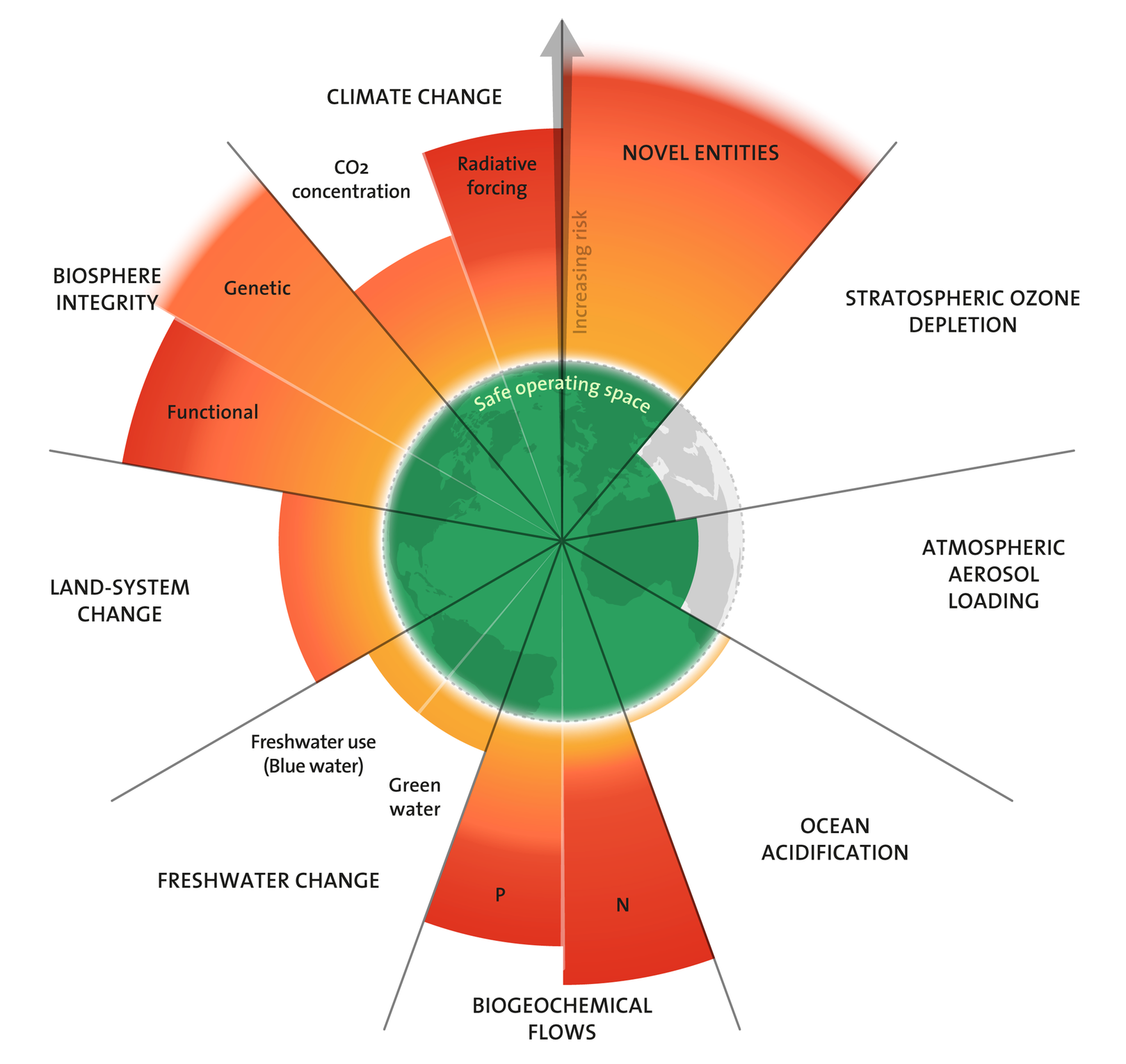
Source: Azote for Stockholm Resilience Centre, based on analysis in Sakschewski and Caesar et al. 2025 | CC BY-NC-ND 3.0 | Planetary Boundary Framework (2025)
                ....                  ....
               .@@@@@          ...***********=..
             .@@@@@@@@     .=**********************..
            @@@@@@@@@@@%@@@@%*************************..
            @@@@@@@@@@@@-:=@@@@@@@***********************.
             .@@@@@@@@@@@@@@@@@.=@@@@.     .....***********.
                .@@@@@@@@@@@@@@@@@.@@@.           ..********..
                 @@@@@@@@@@@@@@@@@@@%@@*         .************.
                :@@@@@@@@@@@@@@@@@@@@@@.-      .+**************.
              ..*@@@@@@@@@@@@@@@@@@@@.@@@@..  .*********.*******.
              .***@@@@@@@@@@@@@@@@@:.@@@*@@@.*********.. .*******
             .****@@@@@@@@@@@@@@@@.@@@@@@..*********:.   ..******..
             .*****@@@@@@@@@@@@@.@@@@@@@.**********.       *******.
            .*******@@@@@@@@@@.@@@@@@@.**********.         .******.
            .******. #@@@@@@.@@@@@@@.:*********.@@@.       .******.
            .******.   .@@.+@@@@@@%.*********.@@@.@@@.     .******+
            .******.     ..@@@@@@.*********.#@@@@@:.@@@.   .******=
             ******.       ..@@.*********-.@@@@@@@@@ @@@@  .******.
             *******.        .**********.@@@@@@@@@@@@@@@.@@@%*****.
             .******.      .+*********.@@@@@@@@@@@@@@@.@@@@@@@****.
             .*******.   ..*********.@@@@@@@@@@@@@@@.@@@@@@%.@@@*..
              .*******...*********. @@@@@@@@@@@@@@.@@@@@@@@@@.:@@@.
              ..******.*********..   .@@@@@@@@@@.=@@@@@@@@@@@@@.@@@@.
                .**************..      -@@@@@@#.@@@@@@@@@@@@@@@@@@@@
                 .***********.          .@@@@.@@@@@@@@@@@@@@@@@@@@@:.
                  .-*******.*..            .@@@@@@@@@@@@@@@@@@@@@@.
                     ************.....    ..@@@@@@@@@@@@@@@@@@@
                      .**********************@@@@@@@@@@@@@@@@@.
                       ...*********************@@@@@@@@@@@@@.
                           ..:******************%@@@@@@@@@
                               .....:*****=.....  @@@@@@@
                                                    ....
Designing products and processes to minimize pollution before it occurs, through green chemistry, precision farming, and eco-innovation.
                       @@@ =@@@@@@@@@@@@%
                     @@@@@@@@ @@@@@@@@@@@@
                    @@@@@@@@@@:@@@@@@@@@@@@
                   @@@@@@@@@@@@ @@@@@@@@@@@@ @@
                  @@@@@@@@@@@@   @@@@@@@@@@@@@
                   @@@@@@@@@@     @@@@@@@@@@@
                      @@@@@@       @@@@@@@@.
                         %@
            @@@@@@@@@                        .@@@@
            @@@@@@@@@@                    +@@@@@@@@
           @@@@@@@@@@@@                .@@@@@@@@@@@@
          @@@@@@@@@@@@@@                +@@@@@@@@@@@@
          @@@@@@@@@@@                    .@@@@@@@@@@@
          #@@@@@@@@@                       @@@@@@@@@
            *@@@@@@                 @-      @@@@@@ @
            @@@@@@@@@@@@@@@@@      @@@@@@@@@@@@@@@@
             @@@@@@@@@@@@@@@@     @@@@@@@@@@@@@@@@
              @@@@@@@@@@@@@@@    @@@@@@@@@@@@@@@@
               @@@@@@@@@@@@@@    @@@@@@@@@@@@@@@
                @@@@@@@@@@@@@     @@@@@@@@@@@@@
                 *@@@@@@@@@@@      @@@@@@@@@@
                                    @+
Closing material loops through reuse, repair, recycling, and extended producer responsibility to eliminate waste and resource inefficiency.
                             ..::                 ----------
                             ..:::             ----------------.
                             ..::::          --------------------.
                  --         ..::::        .------++++++++++-------
                ---.         ..::::       .-----+++--------+++------
              -----          ..::::       -----++-------------------
            ---------:       ..::::       ----=+=------------++++----
               .-----        ..::::      ---++++++----------++++++---
               ----          ..::::       ----+++-------------++-----
              ---        .:::::::..       -------------------++-----
              ..      -*****-::::::===     ------++--------+++-----:
                      ******::::::====:     -------++++++++=------:
                      *:::::==========..     --------------------
                    ::::::::.*======-:::....   ----------------
                .:::::::....###### ::::::::....    --------
              :::::::.... ****####    ::::::::....
             :::::....    ****####       ............................
             ::....       ****####      ..=======..=======..=======..
              ..          ****####      ..=======..=======..=======..
                          ****####      .............................
                          ****####      ..-======..=======..=======..
                          ****####      ..=======..=======..=======..
                          ****####      .............................
                          ****####      :::::::::::::::::::::::::::::
                          ****####      .::::::::::::::::::::::::::::
                          ****####                  #####
                          ****####                  #####
                          ****####              *************+
                          ****####              *************=
            ----------------------------------------------------------=
            +++++++++++++++++++++++++++++++++++++++++++++++++++++++++++
            +++++++++++++++++++++++++++++++++++++++++++++++++++++++++++
Transitioning to renewable energy, electrified transport, and low-carbon construction to cut emissions and reduce air, noise, and chemical pollution.
                                 .-===:
                             *@%%#..% :%%%%-
                           %@ %%   .%    %..@#
                         ##  #+    .%     @: .%-
                        @=  -#     .%      @   @+
                       %@@@@%@@@@@@@%@@@@@@%@@@@%:
                      .@   .@      .%      :@   :@
                      =*   -@      .%       @    @
                      =*   =@      .%       @    @
                      .@   :@      .%      :@   :@
                       %%%%%%@%%%%%%%%%%%%%%%@%@%:
                        @-  =#     .%      @   %+
                         %#  #=    .%     @-  %=
                          .%+ %%   .%    %:.@%
                             #%%%*  % .%%%@=
                                 :+#%*=.


                                   ::.
              +@@%.            =%%%%%%%%@             =@@@-
           =%%%%%%%%#         @%%%%%%%%%%%%        .%%%%%%%%@
          +%%%%%%%%%%@       @%%%%%%%%%%%%%+      :%%%%%%%%%%%.
          @%%%%%%%%%%%.      @%%%%%%%%%%%%%%      *%%%%%%%%%%%+
          @%%%%%%%%%%@       @%%%%%%%%%%%%%*      =%%%%%%%%%%%-
           %%%%%%%%%%:       -%%%%%%%%%%%%@        #%%%%%%%%%*
            .%%%%%@=          .@%%%%%%%%%#           #@%%%@*
                                 -%@@@#.
        #%%%%%%%%%%%%%%%                        +%%%%%%%%%%%%%%%-
      .%%%%%%%%%%%%%%%%.  :@%%%%%%%%%%%%%%%%@%   @%%%%%%%%%%%%%%%@
      @%%%%%%%%%%%%%%@  :%%%%%%%%%%%%%%%%%%%%%%%  =%%%%%%%%%%%%%%%*
     -%%%%%%%%%%%%%%%  :%%%%%%%%%%%%%%%%%%%%%%%%@  #%%%%%%%%%%%%%%@
     @%%%#+%%%%%%%%%*  %%%%%%%%%%%%%%%%%%%%%%%%%%+  @%%%%%%%%%.@%%%-
    :%%%%:+%%%%%%%%%. -%%%%@%%%%%%%%%%%%%%%%@@%%%@  +%%%%%%%%%.#%%%@
    #%%%% +%%%%%%%%@  %%%%:  *%%%%%%%%%%%%%:  %%%%= .%%%%%%%%@..@%%%:
                     .%%%@   *%%%%%%%%%%%%%:  :%%%%
                     %%%%+   *%%%%%%%%%%%%%:   @%%%.
                     @@@@    *@@@@@@@@@@@@@:   =@@@@
Strengthening treaties, pollution pricing, and integrated policies to ensure collective responsibility and enforceable standards worldwide.
                                                      ..
                                  .....             .:=:..            ....
                             ...:========... .    ..=====.      ....-======-....
                          ...==-..    ..:++==...    =+==-.  ....-===:.      .-=-..
                        ...==.            ..====.....===.....-===.              -=..
                ....  ...=-...            ....-===============-...              ..:-........
                .==.  .=....                  ...:=========:....                  ...=....=-
                .-=.....                          ...:=:....                        ......--
                =.:-..                              .==-                                .-:.-.
              .=..:.-.                              .===.                             ..:.:..- .
            ..=...:..:..                            .===..                            .:  :...-.
            .=. ..:.  ..                            :===:.                          ....  :.  .-..
          ..-.  ..:.  ....                          ====-.                        ....    :.    -.
          .:    ..:.    .:..                      ..=====.                        .:..    :.    .:..
        ..:.    ..:.    ..:.                      ..=====.                      ..:.      :.      :. .
      ....      ..:.      .-..                    .:=====.                      .-.       :.      ....
      ....      ..:.      ..-.                    .-=====-                    ..-...      :.      ......
      :...      ..:.        .=                    .=======                    .-..        :.        ....
    .:..        ..:.        ..=.                  .=======..                  -.          :.        ...:
    -.          ..:.          .=..                .=======..                .-..          :.          ..:.
..================================:.              -=======:.              :================================.
  .==============================-..              ========-.              .-==============================..
  ..:==========================-..              ..=========.                .-==========================..
      ..-==================-..                  ..=========.                  ...-==================:. .
              ..........                        .:=========:                          ..........
              ......:-=======-:.......          .==========-          ........:=+++++++=:.....
                .=++++++++++++++++++==....      .===========..    .....+++++++++++++++++++++:.
                ..-++++++++++++++++++++++=....  .===========..  ...+*++*++++++++++++++++*+=...
                  ..++++++++++++++++++++++++:.  :===========:.  -+*++++++++++++++++++++++...
                  . .++++++++++++=++++++++++=+:.-===========:.-+++++++++++*+++++++++++++..
                    .-++++++++++++++=..-++++++++..=========..**++++++=..++*++++++++++++-.
                    ..++++++++++++++++++:..=+++++..=======.:+*++++..:**++++++++++++++++.
                      .++++++++++++++++++++..:++==..=====.:*+++:..+*+++++++++++++++++*..
                      ..+++++++++++++++++++++..:=++..===..+++-..**++++++++++++++++++*.
                        :+++++++++++++++++++++=..++=.==-.+++..++++++++++++++++++++++:.
                        .:++++++++++++++++++++++..=+:.=.:*+.:+++++++++++++++++++++*:
                          .++++++++++++++++++++++-.=+.=.++.=+++++++++++++++++++++*..
                            .+++++++++++++++++++++=.+...*.+*++++++++++++++++++*+..
                            ...++++++++++++++++++++=.....++*++++++++++++++**++....
                              ...:++++++++++++++++++-...-*++++++++++++++++*:.. .
                                  ....:=++++++==:..-+...+=..:=+*++**+=:.....
                                                  ...=.+..      .  .
                                                    ....
                                                      ..
Centering human health and equity in development decisions to protect vulnerable groups and species, reduce disease burden, and generate green jobs.

Cleaner production, resource efficiency, and pollution mitigation lower hidden costs while creating green jobs and sustainable markets.

Equity improves when communities benefit from cleaner environments, and pollution mitigation ensures fairness for vulnerable groups.

Preserving landscapes and traditions requires strong environmental care, where and pollution mitigation protects cultural heritage.

Resilient cities depend on clean technologies, and pollution mitigation extends the life of roads, water systems, and buildings.

Reducing disease burdens and healthcare costs requires air, water, and soil protections, with and pollution mitigation at the core.
Reality: Many pollutants travel long distances; acid rain, ocean plastics, and greenhouse gases cross borders and create global consequences.
Reality: Ecosystems have thresholds, and when overwhelmed by nitrogen, phosphorus, or toxins, they collapse into dead zones or suffer irreversible damage.
Reality: Filters and recycling plants help, but prevention at the source and systemic changes in production and consumption are more effective than cleanup.
Reality: Industry is a major contributor, but households, agriculture, transportation, and consumer behavior also drive pollution in daily life.
Reality: Pollution affects all countries; wealthier nations often outsource dirty industries, while poorer nations face rapid urbanization without waste systems.
Reality: Recycling is important, but many materials are not recyclable, and the process itself can pollute; reduction and reuse must come first.
Reality: Pollution is directly linked to human health, causing millions of premature deaths and spreading diseases through contaminated air, water, and soil.
|
|
Nutrient
|
|
Air
|
|
Freshwater
|
|
Chemical
|
|
Plastic
|
|
|
Marine
|
|
E-Waste |
|
Soil
|
|
Greenhouse
|
|
Solid
|