| And Pollution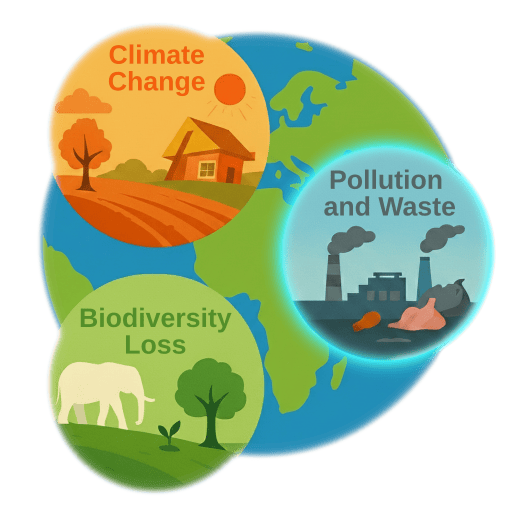













Quantify Interconnected Drivers
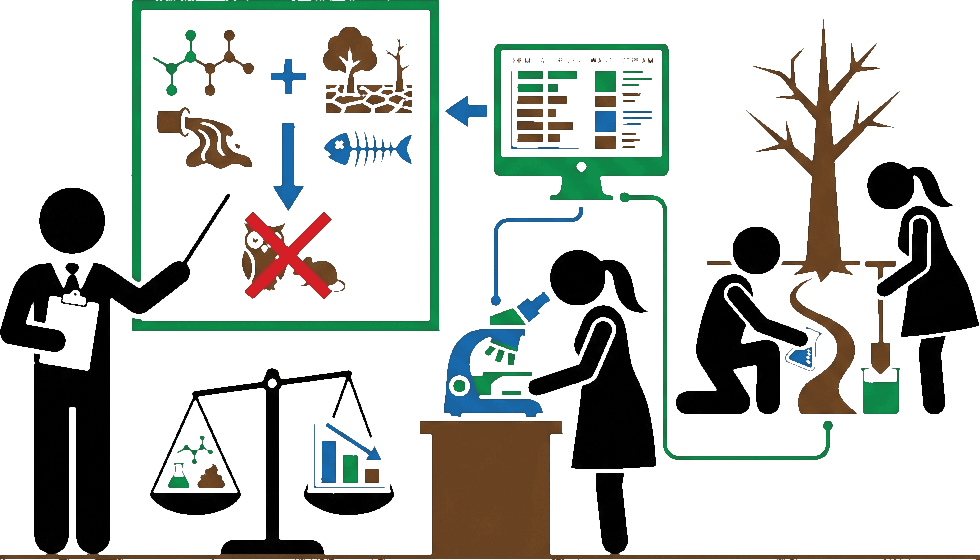
Direct cross-disciplinary research toward understanding exactly how specific chemical families and waste streams act as direct drivers of biodiversity loss and ecosystem collapse.
Develop Localized Models
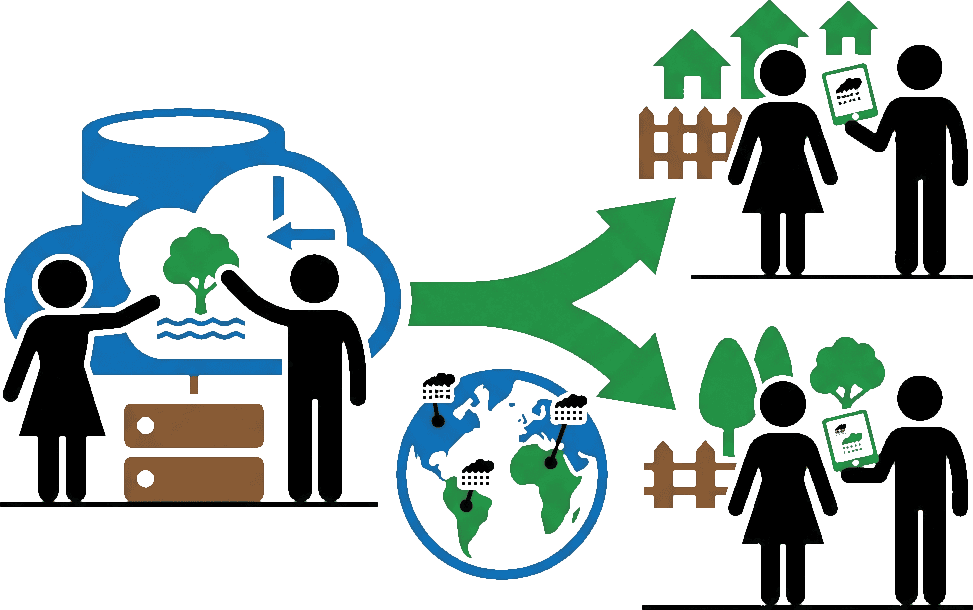
Build open-source models that allow smaller organizations to map, predict, and visualize pollution impacts on specific ecoregions.
Innovate Material Sciences
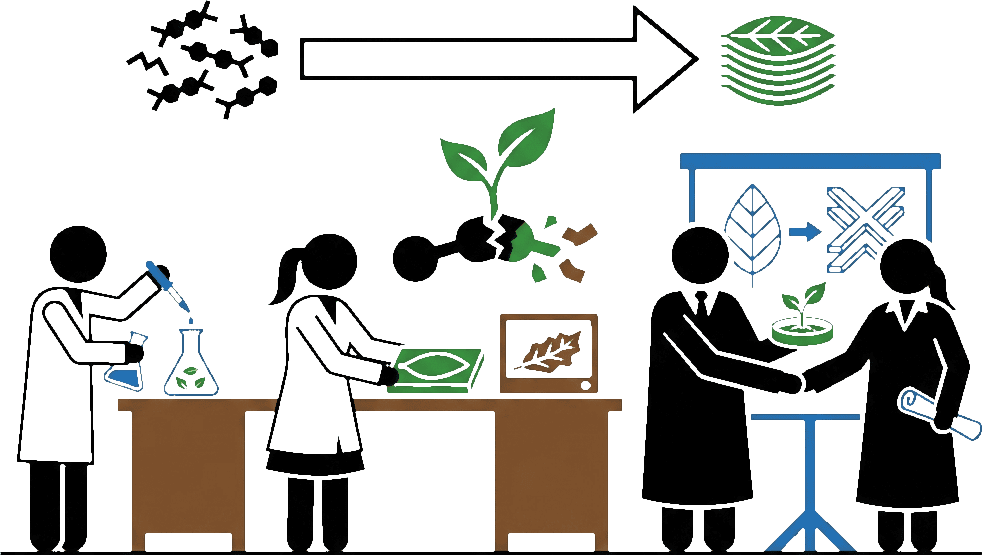
Accelerate the research and development of bio-based, truly compostable alternatives to persistent synthetic chemicals.
Update Core Curricula
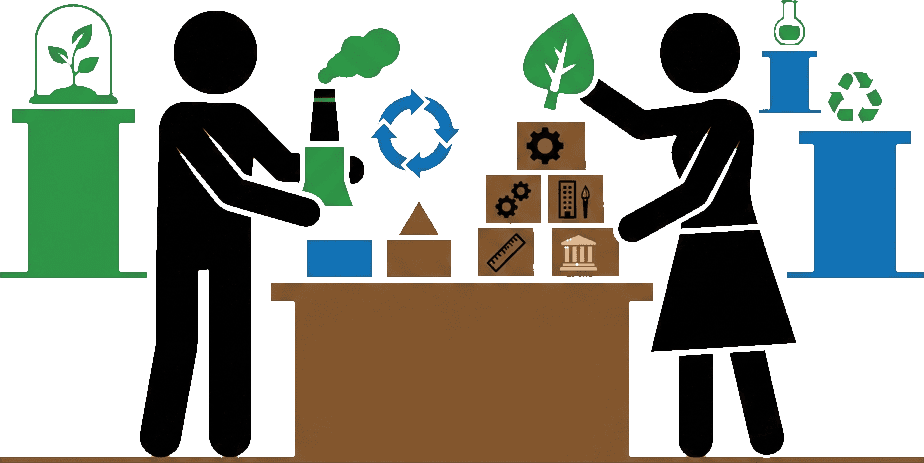
Integrate lifecycle analysis, pollution, and waste management into standard engineering, business, and design degree programs, rather than restricting them to specialized environmental courses.
Bridge the Science-Policy Gap

Produce actionable, synthesized policy briefs that translate raw toxicological data into clear, legislative recommendations for lawmakers.
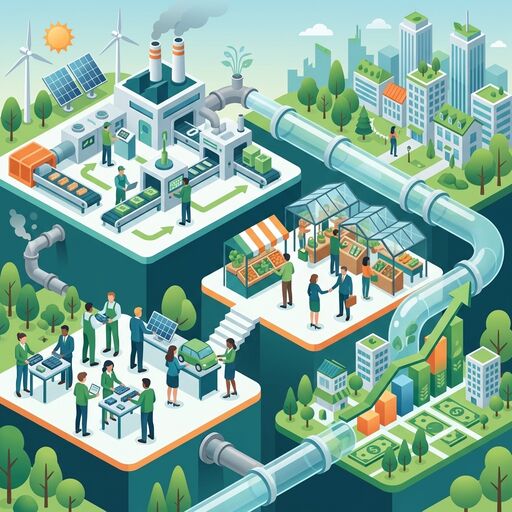
Redesign for Circularity
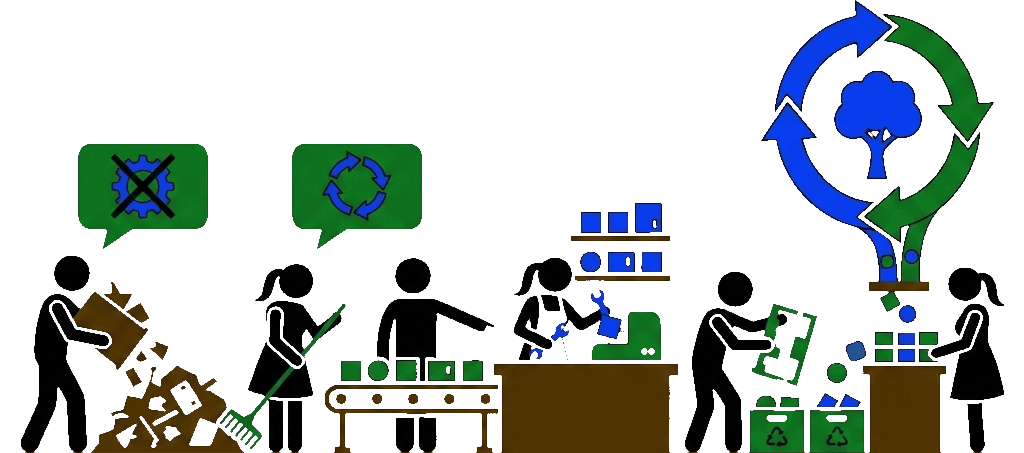
Phase out planned obsolescence and design products specifically for repair, disassembly, and total material recovery.
Audit Supply Chains
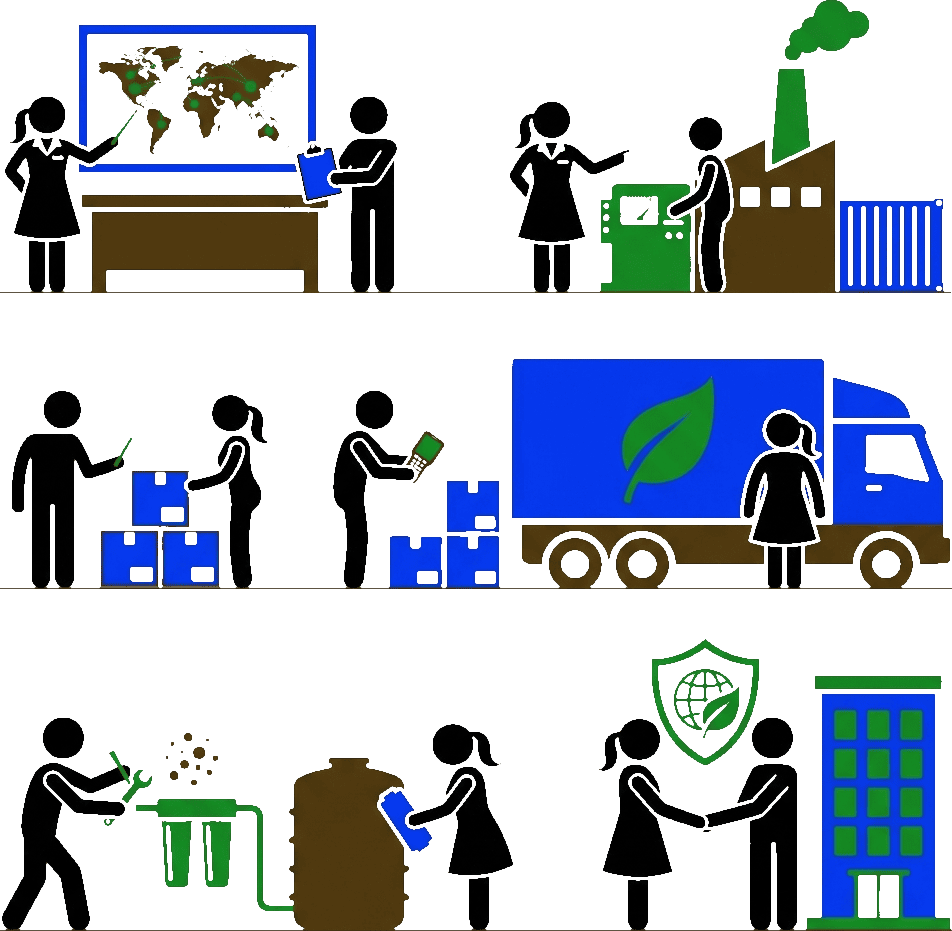
Map and eliminate pollution at every tier of the supply chain, ensuring global suppliers adhere to the same environmental standards as the parent company.
Adopt “Product-as-a-Service” Models
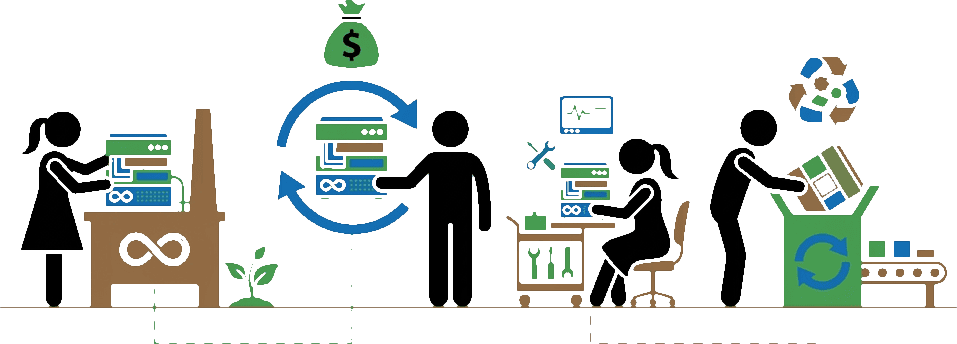
Retain ownership of products (like electronics or industrial machinery) and lease them out, financially incentivizing the company to build durable, easily recyclable goods.
Optimize Resource Efficiency
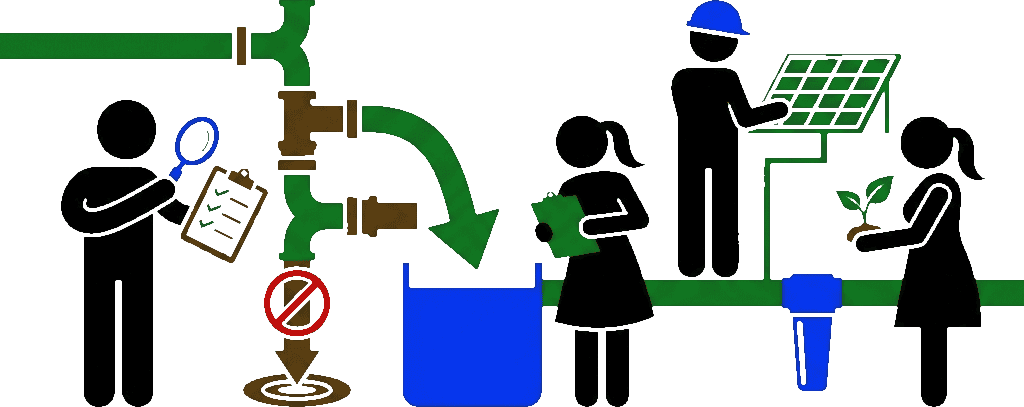
Audit operational workflows and manufacturing processes to minimize material waste, water usage, and toxic byproducts.
Invest in Green Technologies
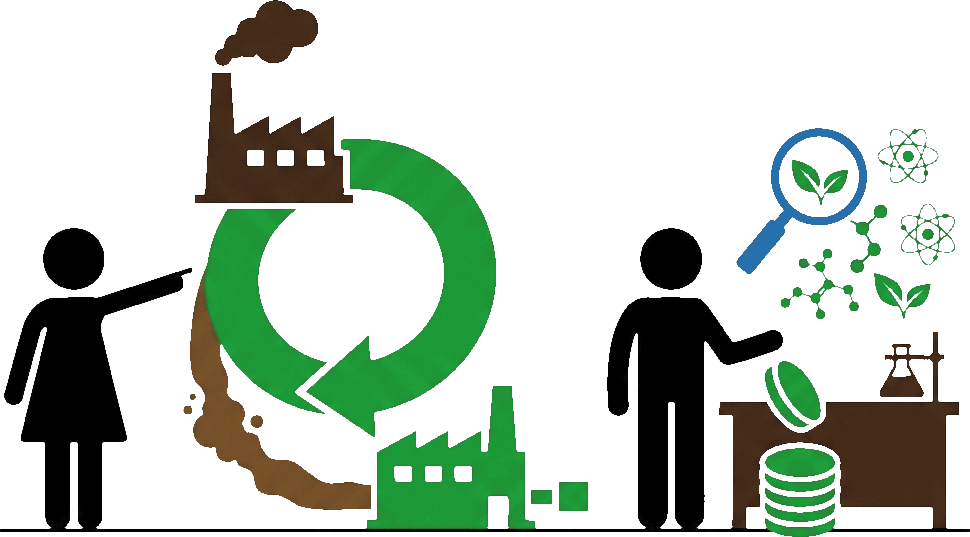
Allocate dedicated R&D budgets toward closed-loop manufacturing processes and safer alternatives to persistent industrial chemicals.
Drive Participatory Data Collection
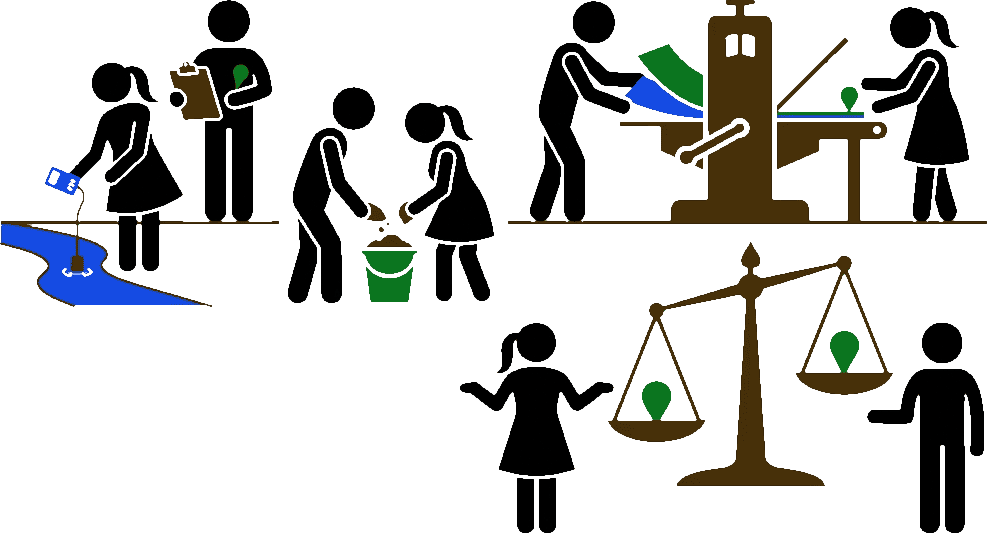
Engage in community science initiatives that monitor local air, water, and soil quality to fill regional data gaps and ground-truth official reports.
Normalize Circular Living
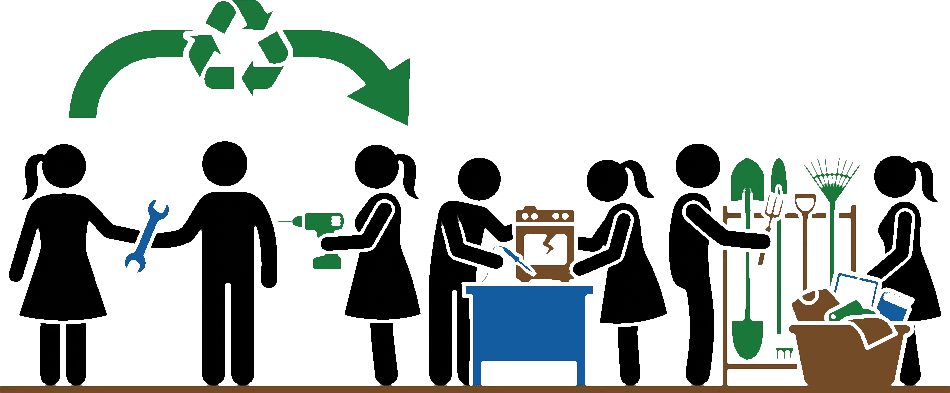
Foster community-level resource sharing, repair cafes, and tool libraries to shift cultural norms away from disposable, single-use consumption.
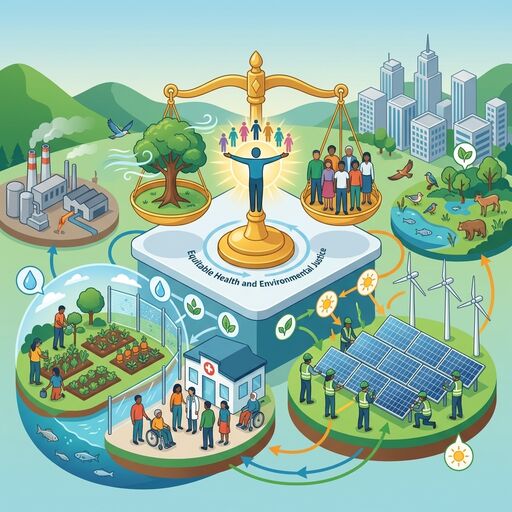
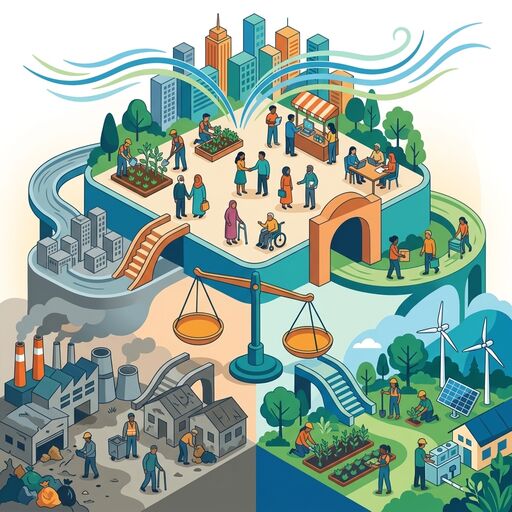
Advocate for Frontline Communities
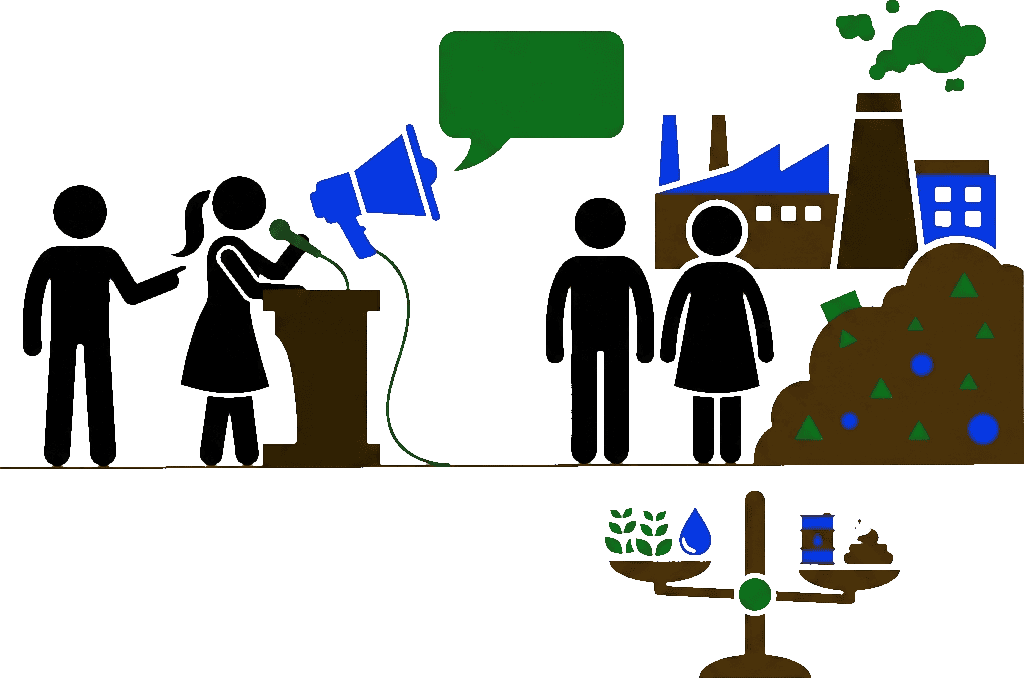
Amplify the voices of marginalized groups living near industrial sites or landfills to ensure environmental justice dictates waste policy.
Leverage Collective Purchasing Power
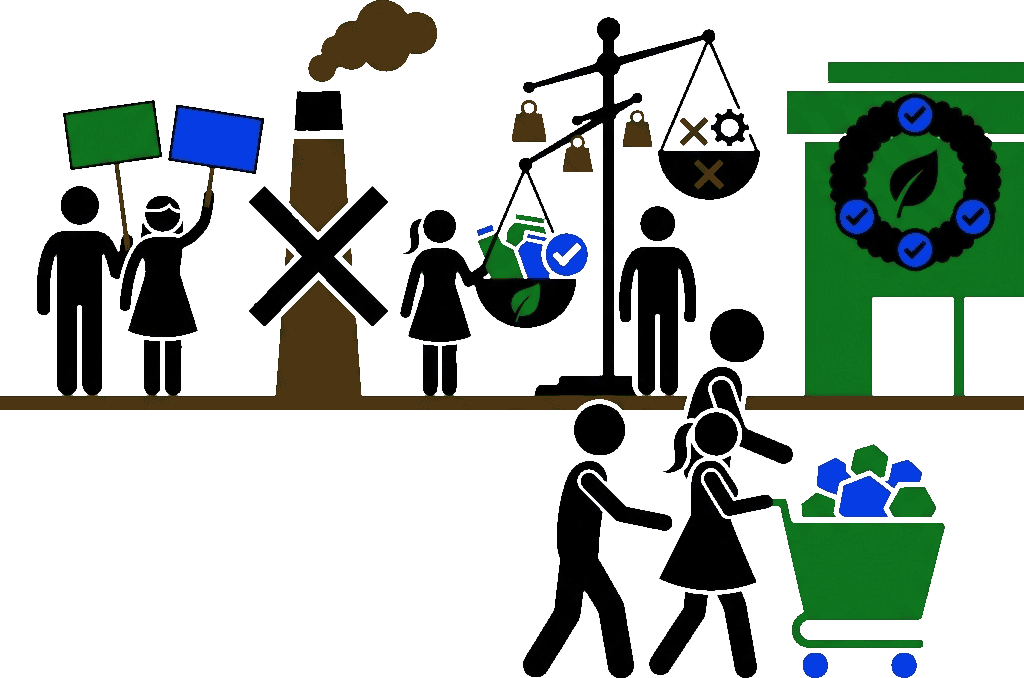
Shift market norms by organizing boycotts of high-polluting entities and supporting businesses with verified zero-waste practices.
Demand Political Accountability
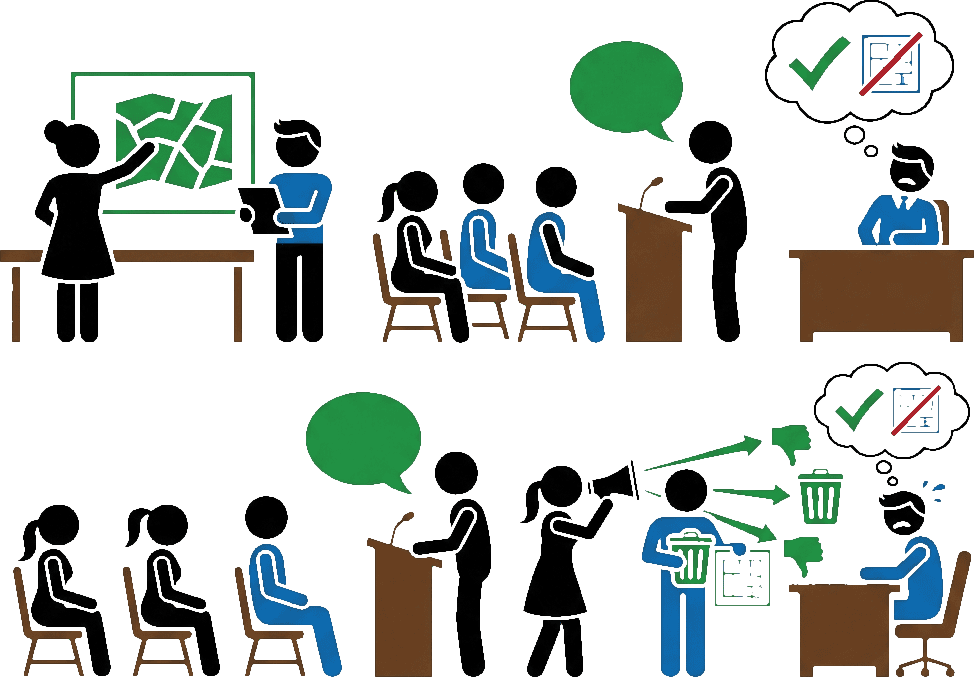
Organize localized campaigns to pressure representatives into prioritizing municipal waste infrastructure and strict zoning laws for industrial polluters.
Integrate into Existing Mandates
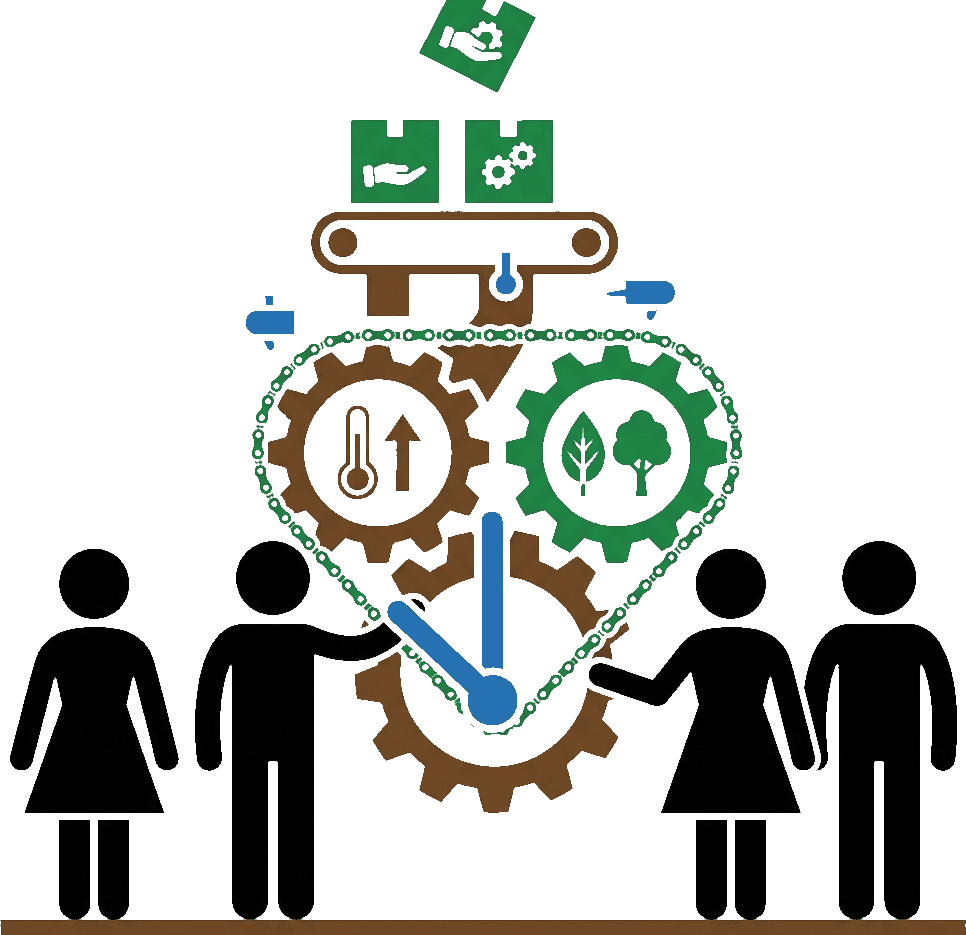
Formally bind national pollution and waste reduction targets to existing climate (NDCs) and biodiversity (NBSAPs) commitments, treating the crises as inherently interconnected.
Mandate Extended Producer Responsibility (EPR)
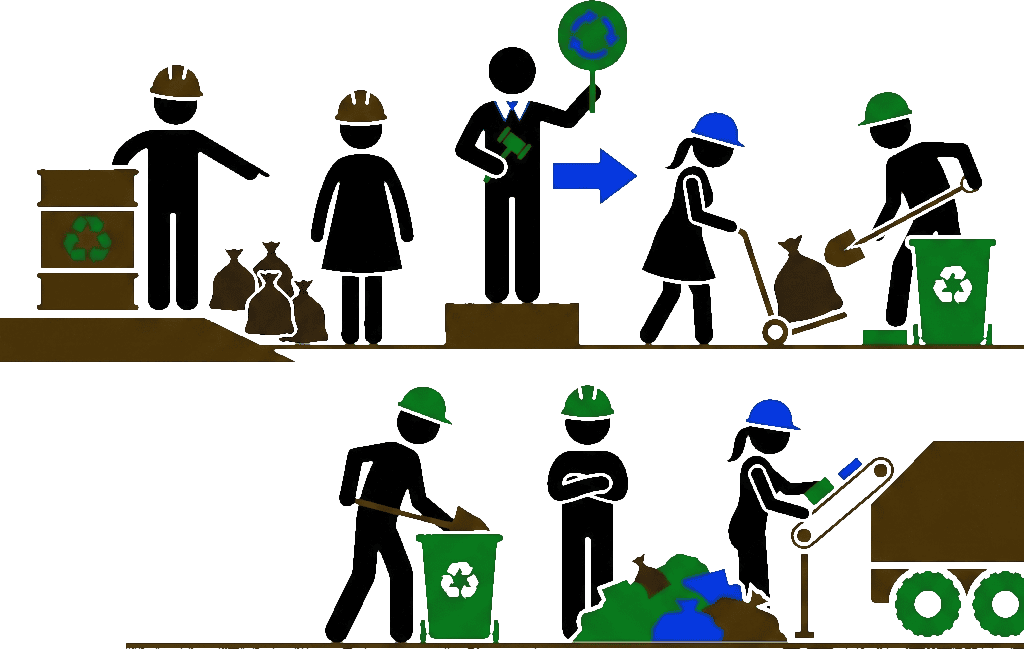
Shift the financial and operational burden of waste management back to the manufacturers of hard-to-degrade materials and toxic chemicals.
Build Open Data Infrastructure
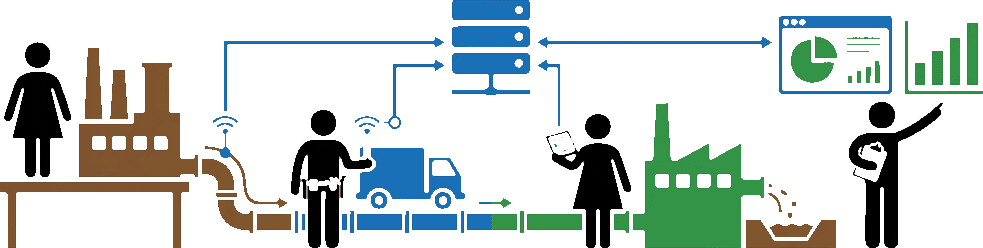
Maintain centralized, public databases that track chemical families and industrial pollution through their entire life cycle to enforce market transparency.
Leverage Green Public Procurement
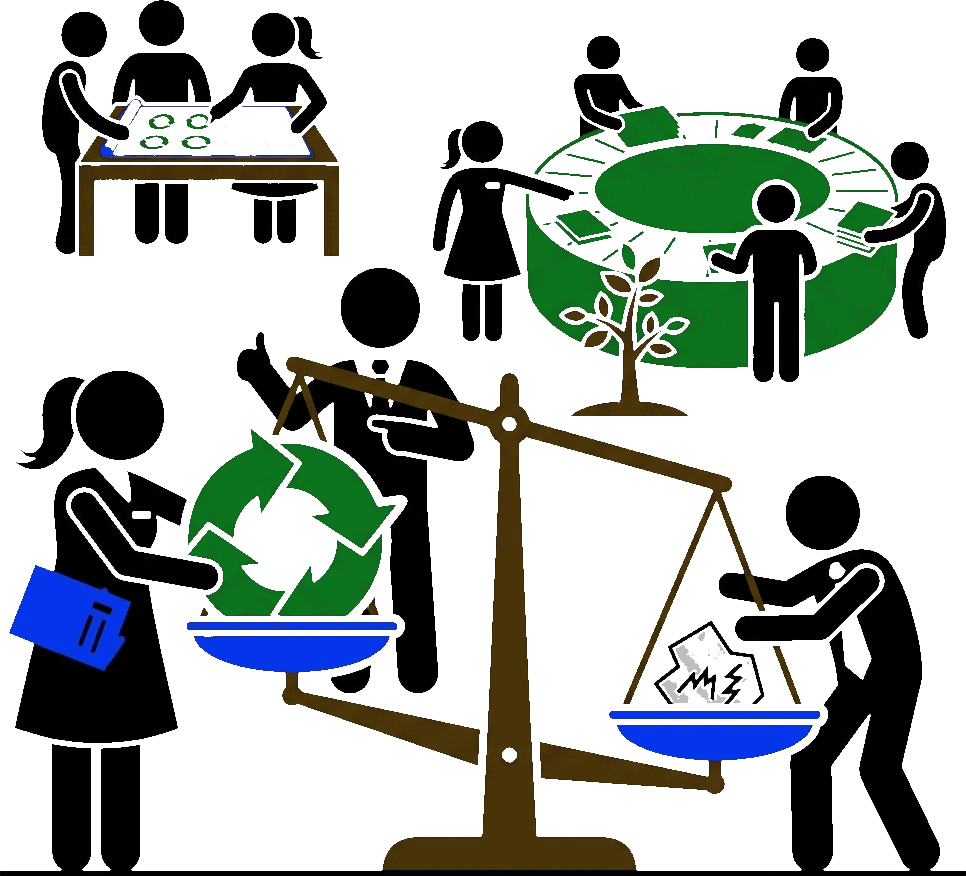
Require all government purchasing to prioritize circular, low-waste, and non-toxic materials, driving market demand for sustainable goods at scale.
Standardize Corporate Reporting

Legislate mandatory corporate disclosures on waste generation and chemical pollution metrics to sit alongside carbon accounting requirements.
Harmonize Global Frameworks
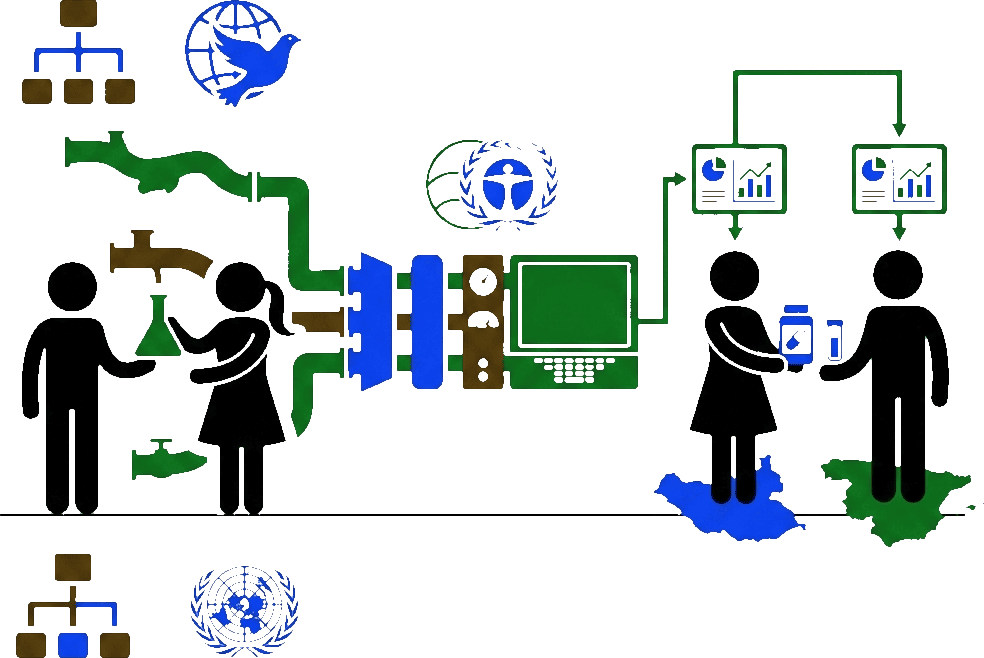
Establish unified tracking and synthesis frameworks (aligning with UNEP and IPBES standards) to ensure countries measure chemical pollution and waste consistently.
Fund Cross-Border Transparency
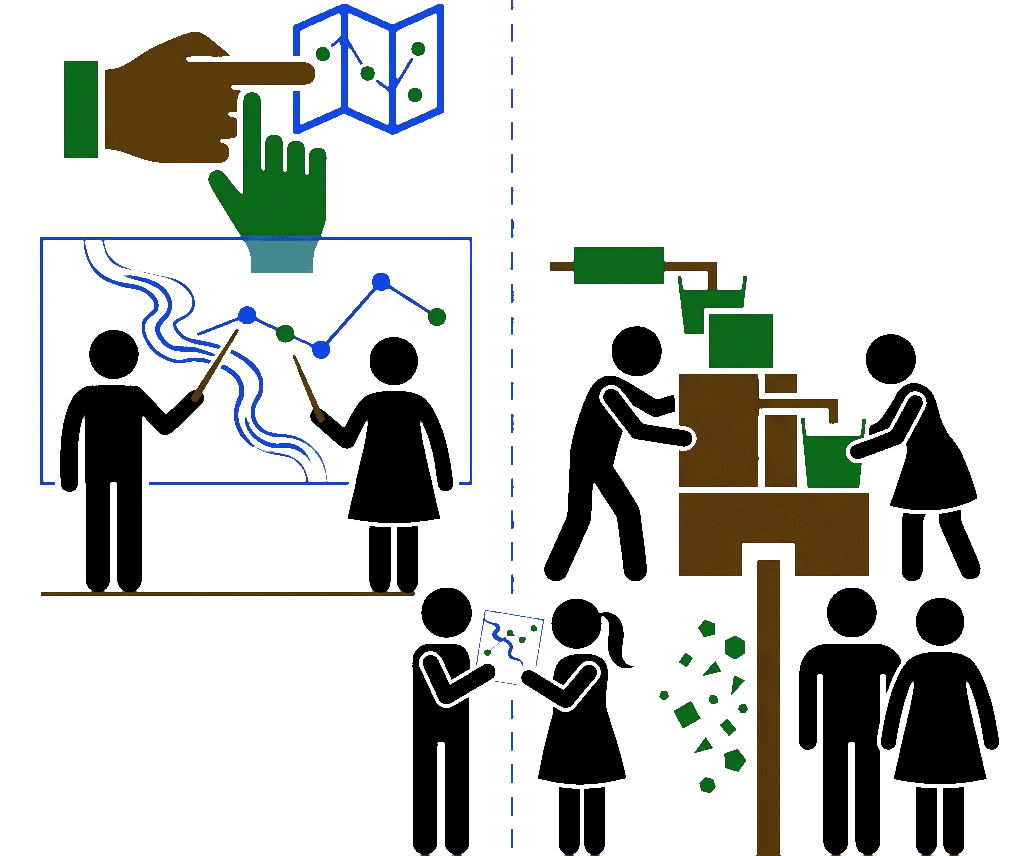
Sponsor platforms that map transboundary pollution flows, helping developing nations identify and block imported waste streams.
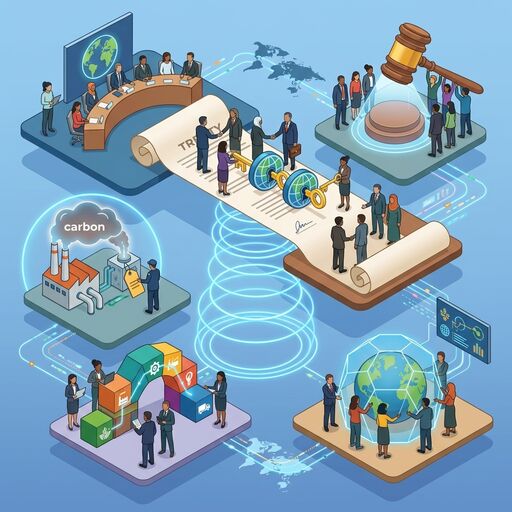
Drive Global Treaties
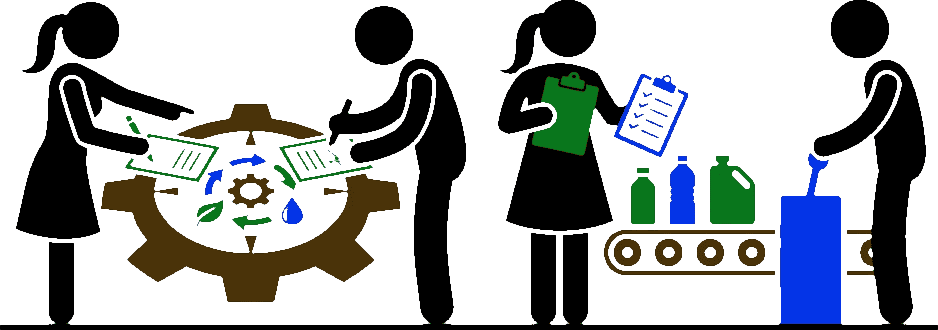
Lead the negotiation and enforcement of binding international agreements, such as the global plastics treaty or frameworks for emerging chemical threats.
Publish Accessible Science
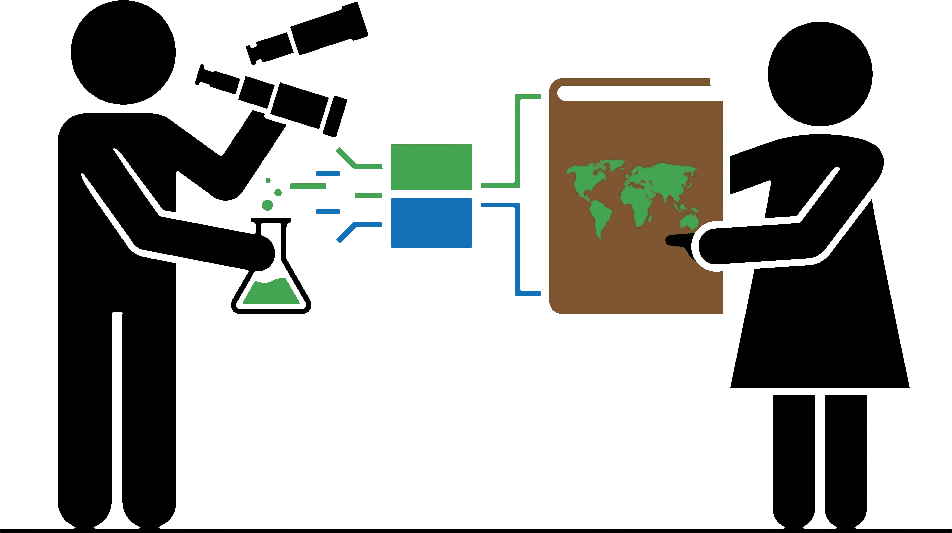
Translate complex environmental assessments into high-quality, multilingual reports and visual data to ensure global policy alignment and overcome language barriers.
Bridge the Finance Gap
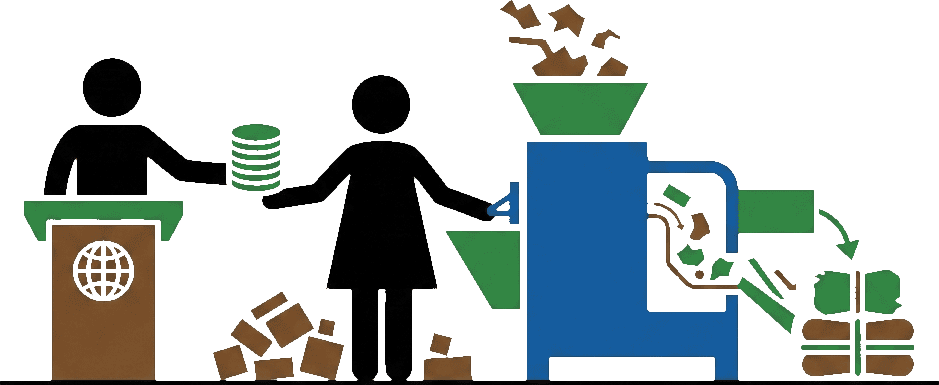
Mobilize international funds to help low-resource regions build resilient waste management infrastructure and transition to circular economies.
Translate and Localize Data
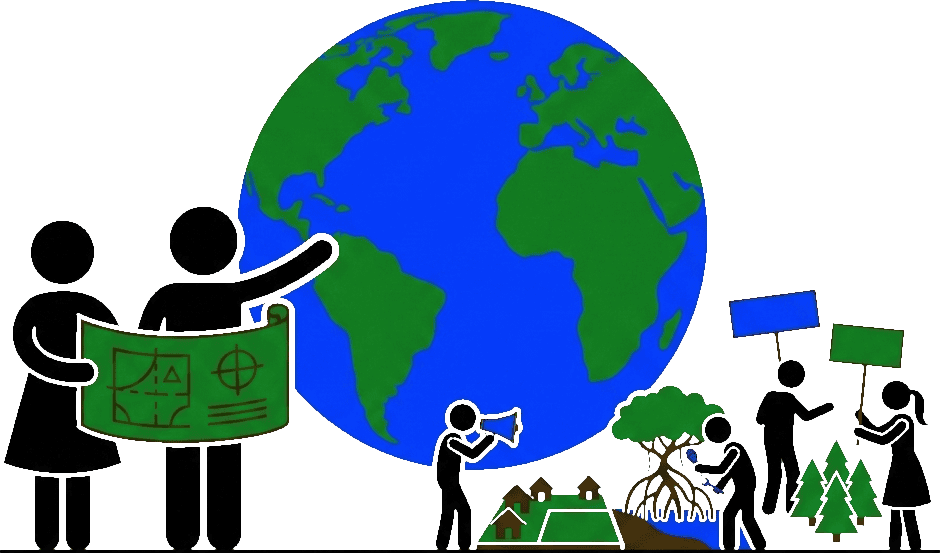
Take global scientific consensus and translate it into accessible, localized formats—such as interactive tools or community workshops—tailored to specific ecoregions and communities.
Operate Community Infrastructure
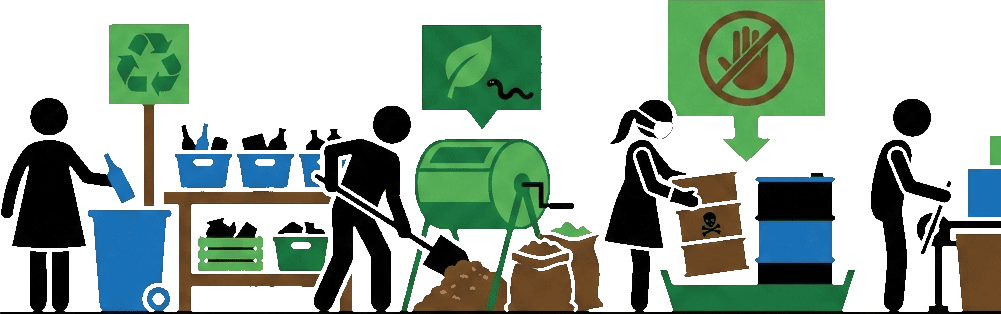
Run local recycling hubs, composting initiatives, and hazardous waste collection drives in areas where municipal services fall short.
Conduct Environmental Education
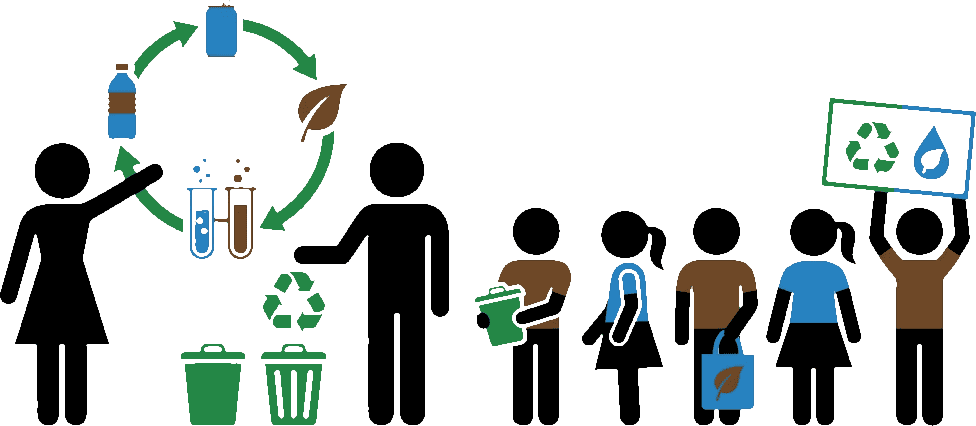
Partner with local schools to teach youth about the lifecycle of everyday products, the chemistry of pollution, and practical waste reduction.
Litigate for the Environment

Provide legal representation to communities harmed by illegal dumping, corporate pollution violations, or negligent waste management.
Incubate Grassroots Solutions
Provide micro-grants and mentorship to local activists developing novel, community-specific ways to clean up their immediate environments.
Set Industry-Specific Standards
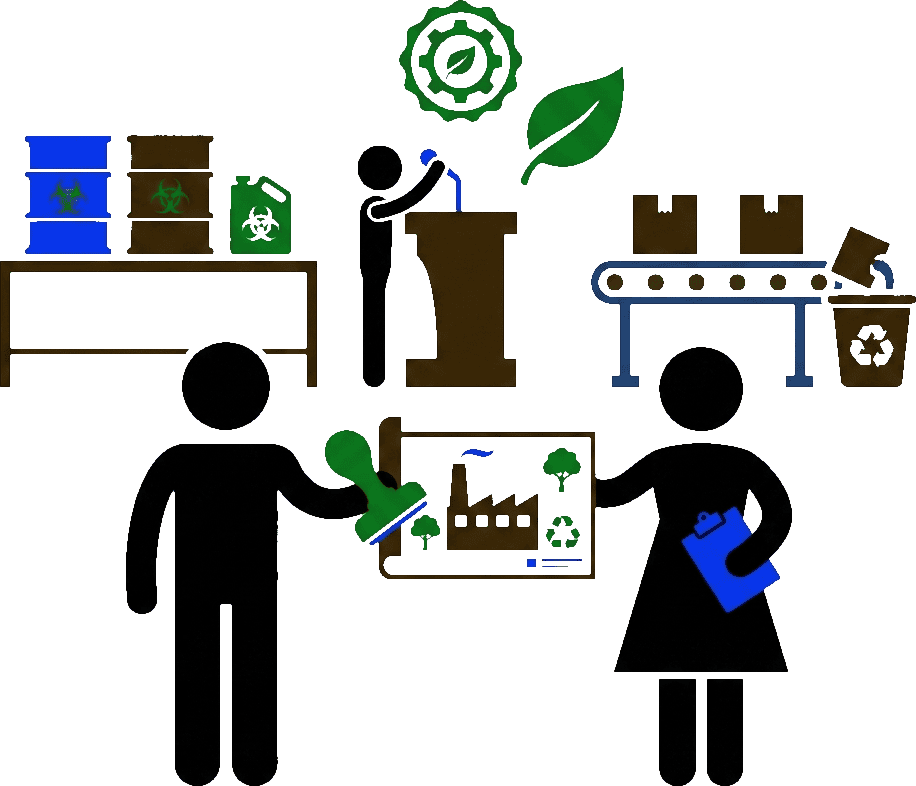
Create rigorous, sector-wide certifications for waste reduction, material efficiency, and the safe handling of hazardous byproducts.
Provide Continuing Education
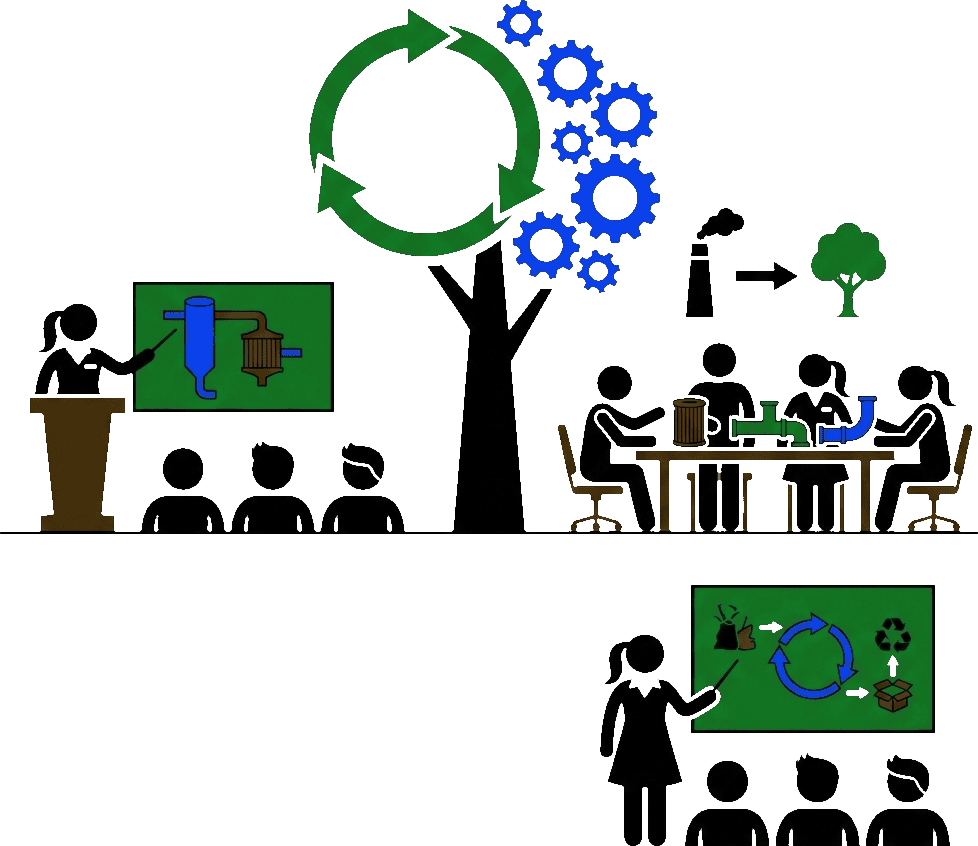
Offer training and workshops to upskill professionals on the latest circular economy practices and pollution-reduction technologies within their specific fields.
Lobby for Sustainable Practices
Use the collective bargaining power and influence of professional guilds to advocate for stricter environmental regulations rather than lobbying against them.
Foster Cross-Disciplinary Networks
Host forums where materials scientists, engineers, and policy experts can collaborate on systemic, industry-wide waste solutions.
Publish Best-Practice Playbooks
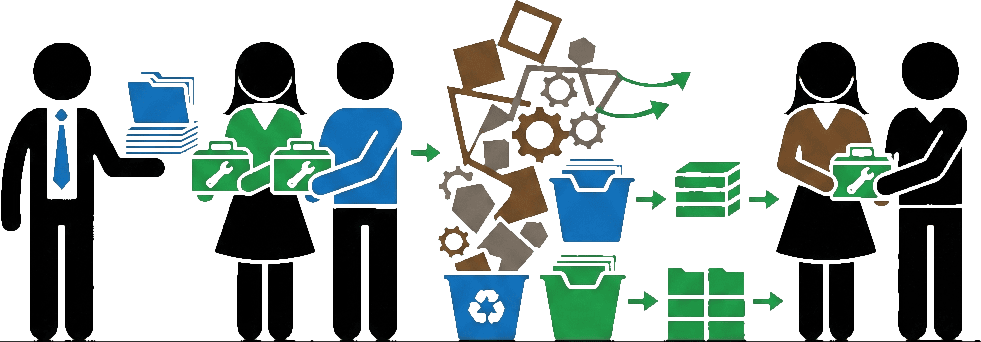
Distribute standardized, accessible toolkits that help small and medium enterprises (SMEs) audit and eliminate their operational waste.